

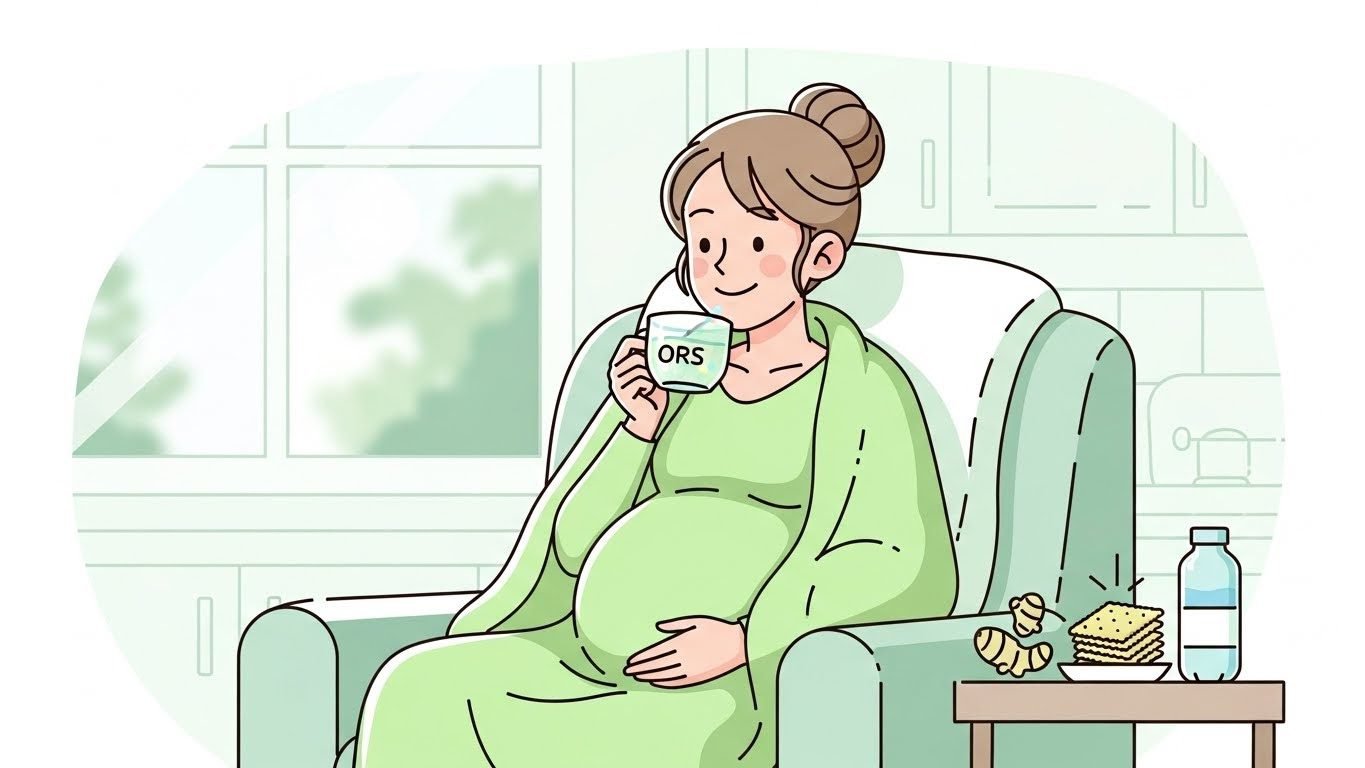
A stomach bug while pregnant can be especially uncomfortable and a little alarming. Nausea, vomiting, diarrhea, or stomach cramps aren’t just unpleasant; they can affect hydration, nutrition, and overall well-being. Pregnant women need remedies that are safe, effective, and gentle on both mom and baby.
In this article, we explore proven stomach bug remedies while pregnant, combining natural approaches, hydration tips, and gentle products that can help restore comfort. These strategies are based on trusted medical advice, personal experience, and safe home remedies.
Why Stomach Bugs Can Be Risky During Pregnancy
Pregnancy brings unique changes to the digestive system and immune response:
- Hormonal shifts slow digestion and can worsen nausea or bloating.
- Immune system changes make pregnant women more susceptible to infections, including viral gastroenteritis.
- Dehydration risk is higher since vomiting or diarrhea can quickly affect both mom and baby.
While mild stomach bugs usually resolve on their own, maintaining hydration and gentle nutrition is critical. Severe or prolonged symptoms should always be evaluated by a healthcare provider.
Step 1: Focus on Hydration
The first line of defense against a stomach bug during pregnancy is hydration. Even mild dehydration can affect both mother and baby.
Safe hydration strategies include:
Small, frequent sips of water instead of large amounts at once.
Personal experience insight: Many moms-to-be find sipping room-temperature ORS or clear broths every 10–15 minutes is far easier to tolerate than drinking large amounts at once. This prevents nausea while keeping hydration consistent.
Tip: Avoid sugary sodas or caffeinated drinks—they can worsen dehydration or upset the stomach further.
Step 2: Gentle Foods for Recovery
Once nausea starts to ease, introducing bland, easy-to-digest foods can help stabilize the stomach:
- Plain toast or crackers – dry foods are easy on the stomach.
- Rice, oats, or plain cereals – mild and filling without being irritating.
- Bananas or applesauce – provide nutrients and potassium lost during diarrhea or vomiting.
- Clear soups or broths – offer hydration and electrolytes simultaneously.
Personal experience insight: Many pregnant women find a combination of plain crackers plus a small sip of warm broth works best initially. This helps settle the stomach without overloading it.
Caution: Avoid dairy, spicy foods, or high-fat meals until fully recovered, as these can trigger nausea or indigestion.
Step 3: Natural Remedies for Symptom Relief
Some gentle remedies can complement hydration and light foods:
Ginger
Known for reducing nausea, fresh ginger tea or ginger candies can be soothing.
A slice of ginger steeped in warm water for a few minutes can help settle the stomach naturally.
Peppermint
Peppermint tea or essential oils (used safely in aromatherapy, not ingested in high concentrations) can relax the stomach and ease nausea.
Acupressure & Rest
Gentle pressure on the P6 acupressure point on the inner wrist can reduce nausea.
Adequate rest and sleep support the immune system and allow the body to recover faster.
Step 4: Over-the-Counter & Amazon-Friendly Options
For safe, pregnancy-friendly remedies, certain products can be helpful when used according to instructions:
1. Pedialyte Oral Electrolyte Solution
Helps replace fluids and electrolytes lost during vomiting or diarrhea.
Gentle flavor options (like grape or unflavored) are usually well-tolerated by pregnant women.
Real experience: Many moms find it easier to sip small amounts of Pedialyte over the day rather than water alone, keeping hydration consistent without nausea.
2. Electrolyte Powder Packets (Pregnancy-Safe)
- Easy to mix in water at home or on the go.
- Convenient for travel, work, or night-time sips when nausea makes drinking large volumes difficult.
- Personal insight: Having packets on hand provides peace of mind and ensures electrolyte balance is maintained during a stomach bug episode.
Note: Always consult your doctor before using any supplements or medications during pregnancy.
Step 5: When to Seek Medical Attention
While most stomach bugs are mild and resolve in a few days, pregnant women should contact their healthcare provider immediately if:
- Vomiting persists for more than 24 hours.
- There are signs of dehydration: dry mouth, dizziness, very few wet diapers, or dark urine.
- Severe abdominal pain or cramping occurs.
- Fever rises above 101°F (38.3°C) or there is bloody diarrhea or vomit.
Prompt medical attention ensures both mother and baby stay safe.
Step 6: Lifestyle & Supportive Measures
- Rest often: Even mild activity can exacerbate nausea and fatigue.
- Small, frequent meals: Keeps blood sugar stable and reduces stomach upset.
- Cool, fresh air: Sometimes stepping outside or opening a window reduces nausea triggers.
- Avoid strong smells: Perfumes, cooking smells, or smoke can worsen stomach upset.
Tip from experience: Keeping a “stomach bug kit” ORS packets, ginger tea, crackers, and a small water bottle makes handling symptoms much less stressful during pregnancy.
Step 7: Prevention Tips
While not all stomach bugs can be prevented, certain measures reduce risk:
- Wash hands frequently, especially after diaper changes or touching raw foods.
- Avoid contact with individuals who are sick with gastrointestinal viruses.
- Cook all foods thoroughly, wash fruits and vegetables, and avoid unpasteurized dairy.
Wrapping It Up
A stomach bug during pregnancy is challenging, but gentle care, hydration, and safe home remedies can make recovery easier. Focus on small sips of fluid, bland foods, and rest, while considering safe products like Pedialyte or electrolyte powders if recommended by your doctor.
Pregnancy requires extra caution, but with practical strategies, gentle foods, and real-life tested remedies, moms-to-be can recover comfortably while keeping their baby safe.
Remember: consult your healthcare provider if symptoms persist or worsen. Gentle care, hydration, and patience are key—your body knows how to heal, and small, consistent steps make a big difference. 🌿💧🤰