

If you’re lifting weights but not seeing changes, the missing piece might be progressive overload training women need for real results.
Many women train consistently — but they use the same weights, same reps, and same intensity for months. Your body adapts quickly. Without progression, muscle growth slows down.
The good news? Progressive overload isn’t complicated. It’s strategic.
Here’s everything women need to know.
What Is Progressive Overload?
Progressive overload training women use is simply the gradual increase of stress placed on muscles over time.
That “stress” can come from:
- Increasing weight
- Adding more reps
- Increasing sets
- Improving time under tension
- Reducing rest periods
- Improving form and range of motion
When muscles are challenged progressively, they respond by getting stronger and more defined.
Why Progressive Overload Is Especially Important for Women
Women often:
- Underestimate their strength
- Stay with light weights too long
- Fear “bulking up”
But muscle growth in women happens slower due to lower testosterone levels. That means progressive overload leads to lean tone — not bulk.
It also:
- Increases metabolism
- Improves bone density (critical after 30–40)
- Reduces body fat percentage
- Boosts confidence
8 Powerful Progressive Overload Strategies for Women
1️⃣ Add Small Weight Increments
Instead of jumping from 5kg to 10kg, increase gradually.
For example:
- 8kg → 9kg → 10kg
👉 Adjustable Dumbbells like Bowflex SelectTech are excellent for small, controlled increases at home.
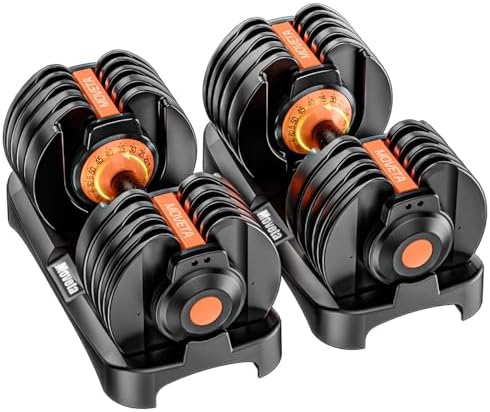


Small jumps keep progress steady and safe.
2️⃣ Increase Reps First
If you can comfortably do 8 reps, aim for 10–12 before increasing weight.
Example:
Week 1: 8 reps
Week 2: 10 reps
Week 3: 12 reps
Week 4: Increase weight
3️⃣ Slow Down Your Tempo
Control builds muscle.
Try:
- 3 seconds down
- 1 second pause
- 1 second up
Slower reps increase time under tension — a key factor in progressive overload training women benefit from.
4️⃣ Add an Extra Set
If you normally do 3 sets, add a 4th set for main compound exercises like:
- Squats
- Deadlifts
- Hip thrusts
- Rows
More volume = more muscle stimulus.
5️⃣ Track Every Workout
If you don’t track it, you can’t progress it.
Use:
- A fitness journal
- Notes app
- Printable strength tracker
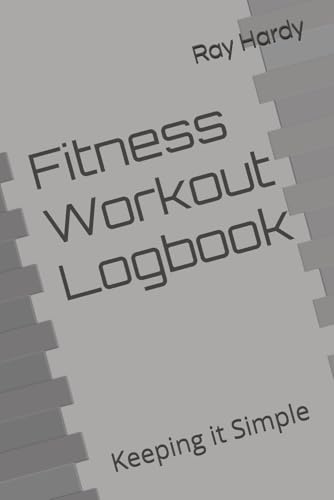
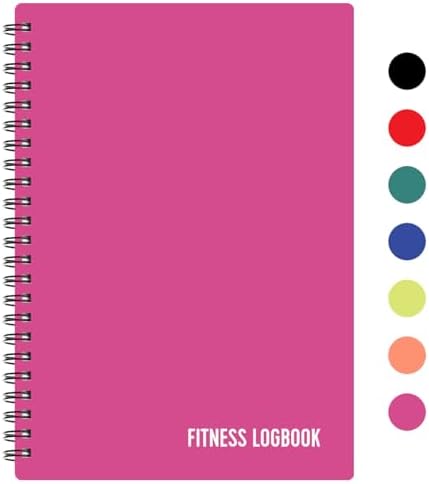
👉 A simple Fitness Workout Log Book (Amazon) keeps you accountable and focused on measurable progress.
6️⃣ Shorten Rest Periods
Reducing rest slightly increases intensity.
Example:
- Instead of 90 seconds → try 60 seconds
This boosts metabolic stress and improves conditioning.
7️⃣ Focus on Compound Exercises
Compound movements allow more overload safely.
Prioritize:
- Squats
- Romanian deadlifts
- Bench press
- Pull-downs
- Shoulder press
Isolation movements are helpful — but progressive overload works best on big lifts.
8️⃣ Train 3–4 Times Weekly
Muscle grows with consistent stimulus.
Progressive overload training women see results from usually follows:
- 3–4 strength sessions per week
- At least one rest day between heavy lifts
Consistency beats intensity.
Common Mistakes Women Make
❌ Staying at the same weight for months
❌ Doing only high-rep light workouts
❌ Avoiding heavier glute or upper body training
❌ Prioritizing cardio over strength
Progressive overload doesn’t mean extreme lifting. It means strategic progression.
How Fast Will You See Results?
With proper progressive overload training women typically notice:
- Strength gains in 2–3 weeks
- Visible muscle tone in 4–6 weeks
- Body recomposition in 8–12 weeks
Patience + progression = transformation.
Final Thoughts
Progressive overload training women isn’t about lifting the heaviest weight in the room.
It’s about:
✔ Challenging yourself gradually
✔ Tracking progress
✔ Recovering properly
✔ Staying consistent
Strong is built, not rushed.
If you apply these strategies, you won’t just work out — you’ll improve every single week 💪