

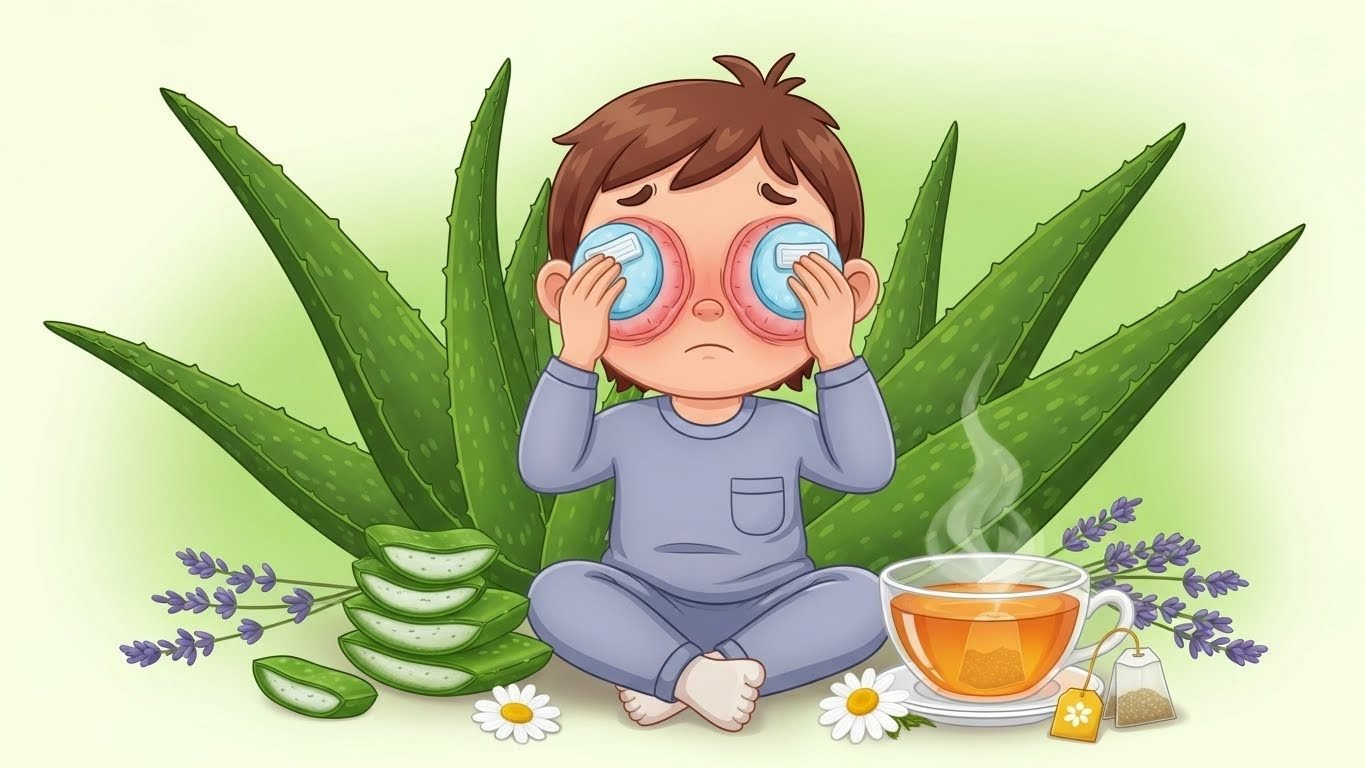
Accidental contact with poison ivy can be uncomfortable, but when it affects the eyes, it becomes a serious concern. The sensitive skin around the eyes and eyelids is particularly vulnerable, and the urushiol oil from poison ivy can cause redness, swelling, and intense itching.
If your eyes are affected, acting quickly is key. This guide provides safe, effective, and gentle remedies to help soothe the irritation, prevent infection, and promote healing all backed by experience and safe practices.
Understanding Poison Ivy Exposure to Eyes
Poison ivy, along with poison oak and sumac, contains urushiol, an oily resin that triggers allergic reactions. When it gets near the eyes, even trace amounts can cause swelling, redness, tearing, and discomfort.
Unlike rashes on arms or legs, eye exposure requires extra caution, because the skin is thinner and the risk of infection is higher. Immediate and careful care can prevent complications and speed up relief.
Immediate Steps to Take
The first step after suspected contact is rinsing the eyes gently with cool, clean water or a saline solution. This helps flush away the urushiol oil without causing further irritation. Avoid rubbing, as this can worsen swelling or spread the oil.
For kids or sensitive individuals, sterile saline eye drops are a safe first step. The author personally recommends Blink® Tears Lubricating Eye Drops (available on Amazon) — they’re gentle, effective, and soothe irritated eyes quickly.
Safe Home Remedies for Relief
After flushing the eyes, you can apply cool compresses to reduce swelling and discomfort. Use a clean, soft cloth soaked in cool water for 5–10 minutes at a time. This also eases itching and inflammation.
If the skin around the eyes is affected, calamine lotion or aloe vera gel can be applied gently around the eye area, but avoid direct contact with the eyes themselves. In the author’s experience, a thin layer of pure aloe vera gel helped reduce redness within hours.
Another gentle remedy is a chilled chamomile tea bag compress. After steeping and cooling the tea bag, place it over the closed eyelid for soothing relief. Chamomile’s anti-inflammatory properties naturally calm the irritated skin without harsh chemicals.
Essential Oils and Caution
While essential oils like tea tree oil and lavender oil have anti-inflammatory properties, they are not safe for direct use in or around the eyes. Parents and caregivers should avoid these oils near eye exposure. Stick to natural, safe compresses and approved eye drops.
For sensitive skin around the eyes, using homemade soothing pastes like oatmeal and water or baking soda paste can help relieve surrounding skin irritation — again, never apply directly to the eyes.
When to See a Doctor
Eye exposure to poison ivy can become serious if:
- Swelling or redness spreads rapidly
- Vision is affected or there’s persistent pain
- Pus, yellow discharge, or other signs of infection appear
- The rash does not improve within 24–48 hours
A doctor may prescribe topical corticosteroids for the eyelids, oral antihistamines, or recommend other medical interventions. Quick professional attention prevents long-term complications.
Preventing Future Exposure
Educate children and adults about identifying poison ivy: “Leaves of three, let it be.” Protective clothing and prompt cleaning after outdoor activities are the best ways to prevent urushiol contact. Wash hands, face, and any clothing that might have come into contact with the plant.