

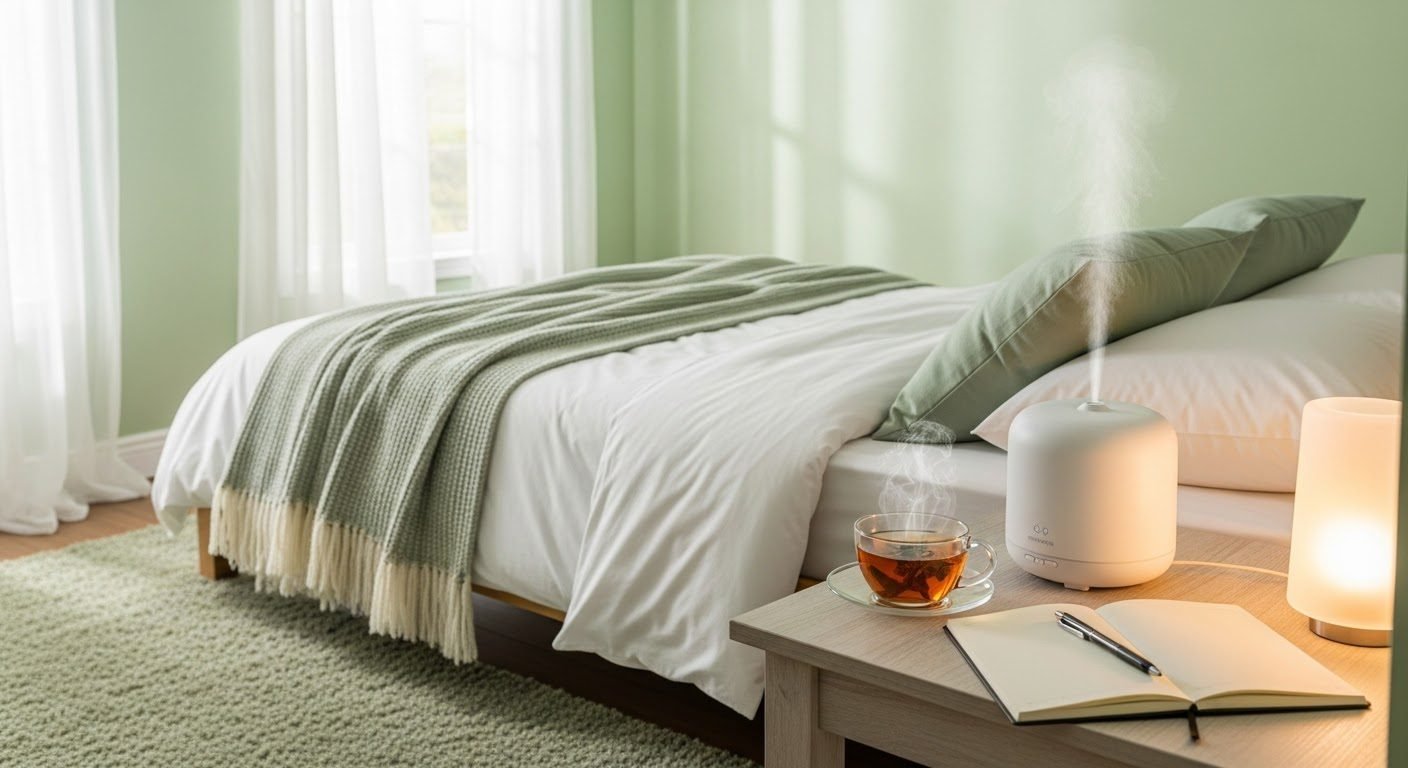
Many people struggle silently with insomnia or the restless mind that comes with sleep anxiety. While prescription medications are an option, natural remedies often offer a gentler, more sustainable path to restful nights. Drawing from both scientific research and real-life experimentation, this article explores how simple, plant-based approaches — like sleep herbal tea, lavender oil for sleep, and other insomnia natural treatments — can help calm the mind and support better sleep.
Understanding Insomnia and Sleep Anxiety
Insomnia isn’t just about having trouble falling asleep — it can also mean waking frequently, lying awake worrying, or not feeling refreshed in the morning. Sleep anxiety, too, fuels this cycle: the more anxious you are about not sleeping, the harder it becomes to actually drift off.
Addressing both the mental (anxiety) and physiological (sleep architecture) components often yields the best results. That’s where natural remedies come in: they support relaxation without the risk of dependency or grogginess that many prescription sleep aids carry.
1. Lavender Oil for Sleep: Aromatherapy That Really Works
One of the most well-researched natural remedies for insomnia is lavender essential oil. The calming scent of lavender contains compounds like linalool and linalyl acetate, which appear to influence the brain’s GABAergic system — the same system many prescription sleep medications target. PubMed+2PubMed+2
Clinical studies back this up. For example, in a randomized, crossover trial, inhaled lavender significantly improved both the quality and quantity of sleep in adults with insomnia. PubMed Another study in postmenopausal women showed that combining lavender aromatherapy with basic sleep hygiene habits helped improve sleep efficiency and reduce how long it took participants to fall asleep. PubMed
Personal experience: The author once diffused lavender oil in their bedroom for several nights after a stressful work week. The aroma felt soothing in a way that didn’t knock them out like a sedative — instead, it helped the mind unwind, making it easier to fall asleep naturally.
How to use it:
Add 3–4 drops of pure lavender essential oil to a diffuser about 30 minutes before bed.
Alternatively, dilute a drop or two in a carrier oil (like jojoba) and gently massage into the temples, wrists, or the bottoms of feet.
After trying several brands, the author felt confident recommending a high‑quality lavender oil that offers clean, pure fragrance and reliable performance This diffuser‑friendly oil became part of a calming bedtime ritual, and its gentle effectiveness convinced the author to keep a backup bottle.

2. Sleep Herbal Tea: A Soothing Nightcap
Herbal teas have long been a go-to remedy for insomnia natural treatment. Certain herbs support relaxation and encourage the body to produce calming neurotransmitters.
- Valerian root: Often called “nature’s Valium,” valerian has been shown to reduce how long it takes to fall asleep, likely by increasing GABA levels. Waking.AI+1
- Chamomile: This popular bedtime tea contains apigenin, a flavonoid linked to mild sedative effects. Verywell Health+1
- Passionflower and other blends: Studies have studied herbal combinations (like valerian + chamomile + passionflower) that help reduce anxiety and promote sleep onset. J Popul Ther Clin Pharmacol
Personal experience: The author started sipping a well-balanced herbal sleep tea about 45 minutes before bed — a calming blend of valerian, chamomile, and a touch of passionflower. Over a couple of weeks, this nightly ritual became one of the most relaxing parts of the day, easing nervous tension and making bedtime feel like a gentle wind-down rather than a battle.
How to make it part of your routine:
- Brew 1 teaspoon (or 1 tea bag) of herbal sleep blend in hot water for 5–8 minutes.
- Sip slowly — focus on your breath, the warmth of the cup, and allow your mind to let go of the day’s worries.
- Use this as part of a pre-sleep ritual, combined with dim lighting, a digital-free zone, and consistent timing.
3. Other Natural Sleep Supports
While lavender and tea are at the core, there are other natural strategies worth exploring:
- Good sleep hygiene: Regular sleep-wake times, a cool and dark room, and avoiding screens before bed make a huge difference.
- Mind‑body practices: Gentle yoga, deep breathing, or progressive muscle relaxation can ease sleep anxiety by signaling to the body that it’s safe to rest.
- Supplements (used with caution): Herbs like valerian, hops, lemon balm, and others may support sleep in supplement form — but it’s best to talk with a healthcare provider before starting, especially if you take other medications or have chronic insomnia.
Safety, Trust, and Long-Term Use
A natural remedy is only as good as its quality. Here are a few trust‑building tips based on the author’s experience and research:
- Purity matters: Use 100% pure lavender essential oil (no synthetic fragrance) from reputable brands.
- Start small: Whether it’s tea or oil, introduce one remedy at a time so you can gauge effectiveness and tolerance.
- Be patient: Herbal remedies like valerian may take a week or more of consistent use to really kick in. Reddit
- Consult a professional: If insomnia or sleep anxiety is severe, chronic, or affecting your daily life, talk to a sleep specialist. Natural remedies can support but not always replace medical intervention.
Final Thoughts
Natural remedies for insomnia like lavender oil for sleep and herbal sleep tea — don’t promise an overnight magic cure. But through consistent use, thoughtful ritual, and quality ingredients, they can profoundly shift your relationship with your nighttime routine. For the author, these gentle tools helped transform restless nights into moments of calm, ease, and real rest. With care, curiosity, and a sprinkle of patience, you might find they do the same for you.