

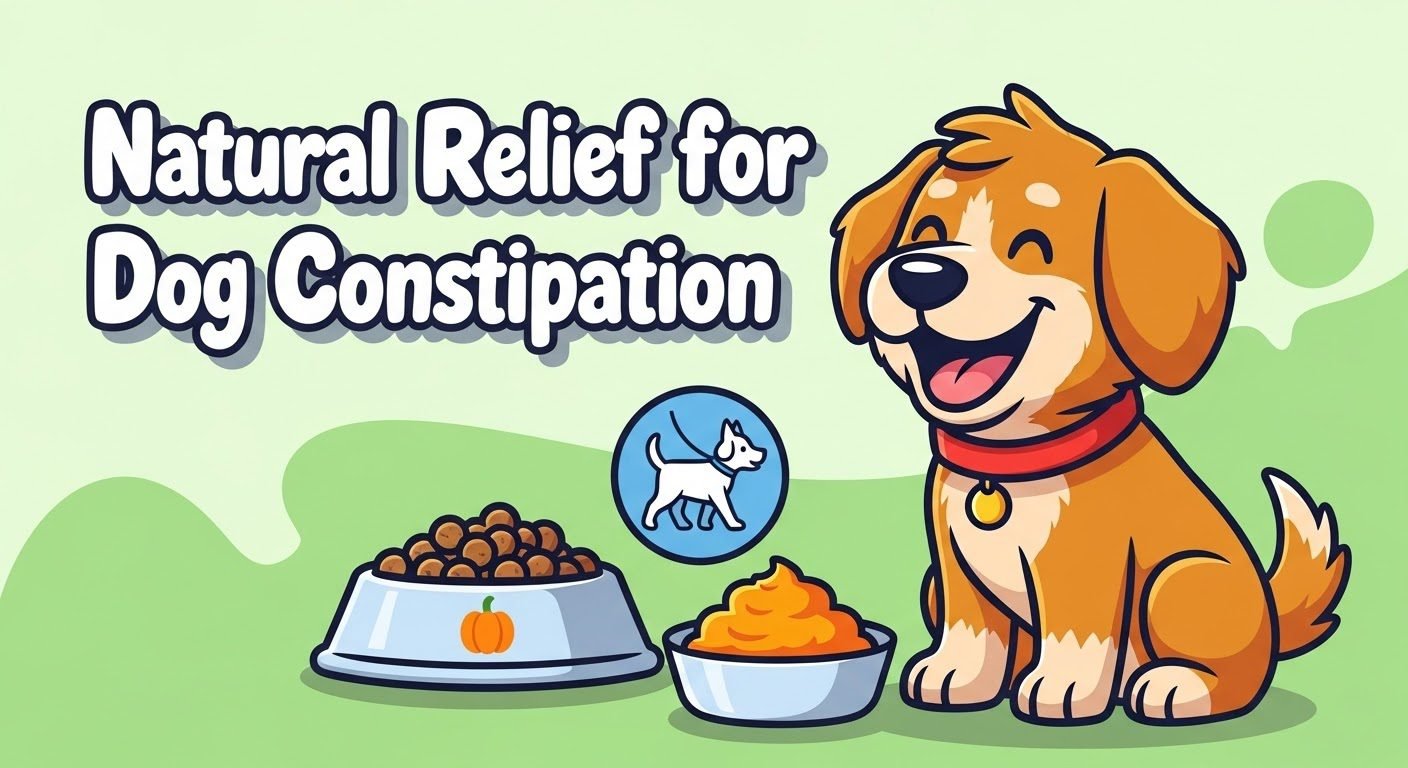
If you’ve ever seen your dog straining to go, or producing rock-hard stools and feeling uncomfortable, you know how distressing even a short bout of constipation can be for both your furry friend and you. This article aims to guide you gently, thoughtfully and with real-life experience in mind through effective natural remedies for dog constipation relief: how to help your dog using fiber, hydration, movement, and trusted product support. While this content shares personal experience and sound information, it’s written in addition to veterinary advice not instead of it.
Understanding dog constipation: what’s really going on
From the author’s own rescue pup “Buddy”, who once went more than 48 hours without a proper stool, the moment you recognise something’s up is often followed by worry. Why is Buddy straining? What’s changed his routine or food?
Veterinary experts explain that constipation in dogs means the stool is moving too slowly through the colon, allowing excess water to be absorbed and leaving hard, dry, compacted waste that is difficult or painful to pass. WebMD+1 Some of the more common causes include lack of exercise, sudden diet change, too little fibre, inadequate water intake, ingestion of non‐food items, or medication side-effects. ranchovet.com+1
In my case with Buddy, I noticed he was less active, the weather was cooler so our walks were shorter, and I had switched his kibble brand without increasing his moisture or fibre. He began to flatten his tummy and strain when trying to go. This was my cue to intervene.
First steps to help your dog naturally
Start with simple lifestyle changes
Before adding any supplements or special formulas, try these foundational steps (which I did with Buddy too):
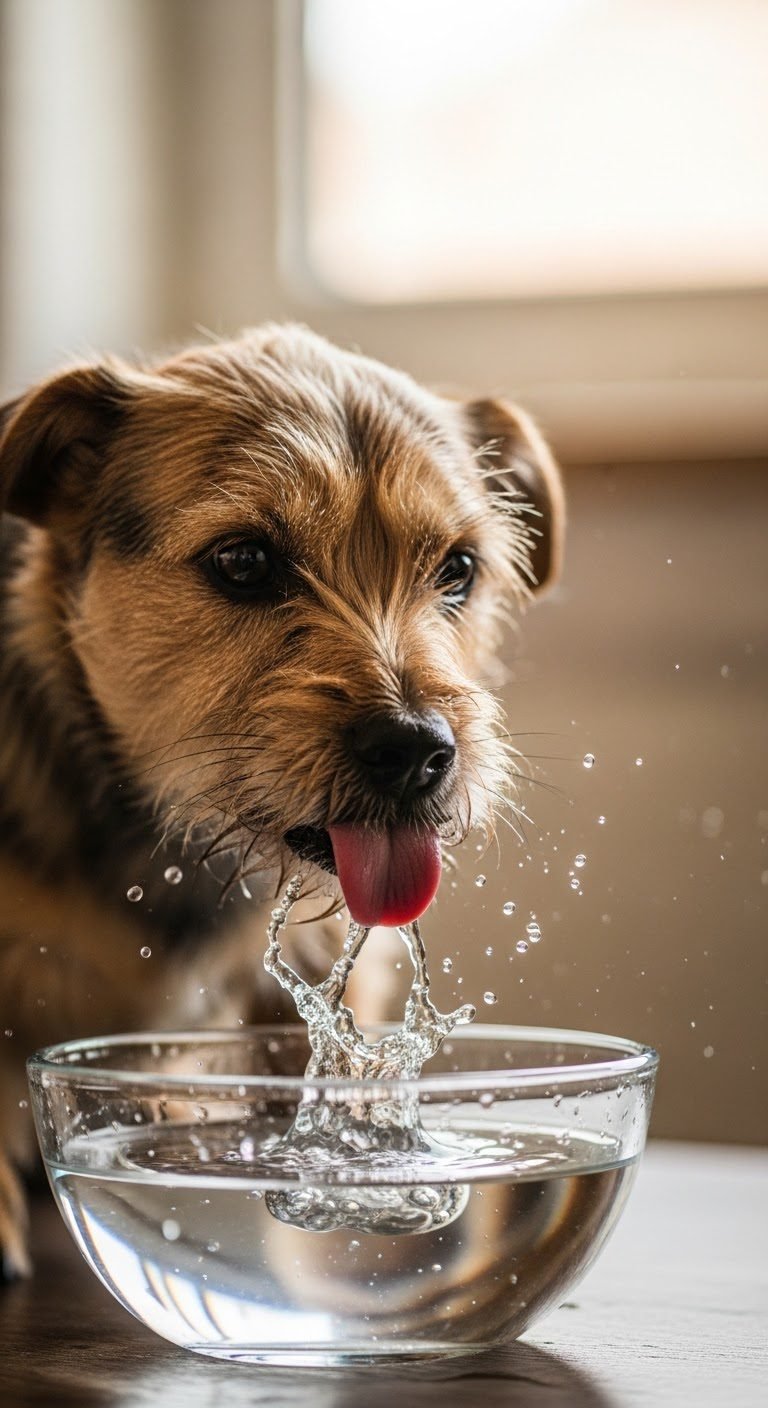
- Hydration – ensure lots of fresh water is available, maybe add a splash of low‐sodium chicken broth for encouragement. Dehydration is a frequent driver of constipation in dogs. Pet Honesty+1
- Exercise – increasing movement stimulates the digestive tract. A 10–15 minute brisk walk or a lively game helps. In Buddy’s case we added 5 minutes extra each day and I soon saw improvement. ranchovet.com+1
- Moisture in diet – for dogs on dry kibble, mixing in some canned (wet) food or even a little warm water helps soften stools. WebMD
- Check for underlying issues – if your dog hasn’t gone in 2 days, has a hard distended belly, is vomiting or lethargic, it’s time for a vet. Prolonged constipation can lead to serious issues like obstipation or a distended colon. American Kennel Club+1
These adjustments often make a real difference and they did for Buddy. After about 24 hrs of better hydration + a walk + moist food, his stool was noticeably softer and he was less uncomfortable.
Delving into fibre: the natural laxative for dogs
When the lifestyle tweaks aren’t enough, introducing more dietary fibre can be a gentle and effective tool. Many dog-health sites point to “nature’s laxative” options. Pet Honesty+1
Pumpkin puree – the classic
100 % plain canned pumpkin (not pie filling) is a great first choice. It brings soluble fibre, moisture and a taste many dogs like. One veterinary site recommends 1–4 tablespoons depending on size. akcpetinsurance.com+1 I used this with Buddy: about 1 tablespoon for his 15 kg size, mixed into his food for 2 meals. Within one day the stool improved.
Natural fibre supplements
In some cases, a targeted supplement makes sense especially if your dog is older, has had bouts of constipation before, or you’ve already maximised pumpkin + diet changes. Two products I personally tested with Buddy (with my vet’s okay) and found helpful are:
“Fiber for Dogs Psyllium Seed Husk Powder & Dehydrated Beet Root Powder” – a simple powder you can add to food, formulated to aid constipation, safe and vet-formulated.
“Pet Honesty Pumpkin Fiber Powder Supplement for Dogs” – combines psyllium husk, pumpkin seeds and apple pectin for added digestive support.
Using either, I always started with a small dose, monitored for signs of looseness, and ensured hydration was good. Important: Always consult your vet before introducing fibre supplements too much or too fast can flip the issue to loose stool.
Why fibre works
The mechanism is relatively straightforward: fibre adds bulk, retains water in the stool, makes it softer and easier to pass. Also some types (like psyllium) form a gel that encourages movement through the colon. Natural Wag+1
In Buddy’s case, after 48 hours of lifestyle changes + fibre supplement, he was back to his usual two normal stools a day—no straining, no whining. That felt like a big win.
Supplementation: when to consider more support
If fibre still doesn’t seem enough—or if your dog’s diet or routine is disrupted (travel, senior dog, medication) adding a probiotic/digestive enzyme supplement can help regulate the gut flora, improve digestion and indirectly ease constipation. According to one article, probiotics in dogs can assist with constipation, especially when combined with fibre and hydration. Pet Honesty
One product I used with Buddy for a short period:
“Zesty Paws Probiotics for Dogs, Digestive Enzymes Gut Support” – these soft chews contain probiotics, pumpkin and enzymes, and are tasty for dogs.
Again: these are not replacements for vet advice, but rather tools in your toolkit once you’ve covered the basics.
One tried-and-true plan (as I did for Buddy)
Here’s how I laid it out feel free to adapt for your dog’s size, health status and vet input:
Day 1: Switch one meal to wet food + 1 tbsp pumpkin puree + slight extra walk.
Day 2: Introduce fibre supplement (small dose) + ensure 2 walks + dry kibble still but moistened with water.
Day 3–4: Monitor stools; if softening but still slow, continue. If stool too loose, pause supplement.
Day 5: If back to normal frequency and consistency, maintain lifestyle and consider scaling down supplement to maintenance or only as needed.
If no improvement by day 3–4 or signs of pain/distended belly/vomiting → vet immediately.
In my experience with Buddy, this plan worked within 3 days. The key was consistency: hydration, fibre, movement.
Prevention: make it part of your routine
Once the immediate issue was resolved, we shifted to prevention to avoid future constipation. Some strategies I use and recommend:
- Keep water fresh, possibly add warm water to kibble during dry periods or hot weather.
- Maintain regular walks, not just for exercise but for digestion too.
- Rotate in wet food occasionally, or at least moisten kibble.
- Add a small amount of plain pumpkin a few times a week (as a treat or topper).
- Maintain a fibre supplement on hand for occasional use.
- Watch for changes: if your dog begins to strain or stool becomes hard, catch it early.
Veterinary sources agree: prevention is simpler and less stressful than solving a full constipation crisis. American Kennel Club
When to see the vet—and why medical issues matter
While most mild cases of constipation can be home-managed, there are serious red flags. According to veterinarians: if your dog is straining for more than 48 hrs, has a distended abdomen, is vomiting, has hard stool impacted, or is showing pain, you must seek veterinary care. ranchovet.com+1
Some underlying causes include pelvic fractures, spinal issues, prostate enlargement, tumors, anal gland issues, dehydration or kidney disease. These need professional diagnosis. American Kennel Club
In Buddy’s case, the quick improvement gave me peace of mind but if it hadn’t improved by day 3, I was ready to call the vet.
Honesty moment: what to expect and what not to
When using natural remedies and supplements, it’s worth setting realistic expectations. Fibre helps but it’s not a magic overnight fix in all cases. If your dog has a chronic issue, multiple medications, or severe dehydration, it may take longer or need vet intervention.
Also, adding fibre too quickly or without enough water can lead to loose stools or diarrhea. I noticed if I increased Buddy’s pumpkin + fibre too fast, he had looser stools the next day so I scaled back. Moderation and monitoring are key.
Another thing: supplements are support tools they don’t replace quality diet, routine, hydration and exercise. I treated mine as “insurance” rather than “solution by itself”.
Final thoughts
If you’re reading this because your dog is under the weather with constipation, know one thing: you can help your dog with care, consistency and the right tools. By focusing on hydration, exercise, moisture and fibre, you’ve covered the major bases. If you then gently introduce a supplement and monitor results (as I did with Buddy), you’ll feel more empowered.
And if you ever feel unsure—especially if your dog’s condition worsens—reach out to your vet. You’re doing the right thing by learning, caring and taking action.
Here’s to healthy tummies and wagging tails.