

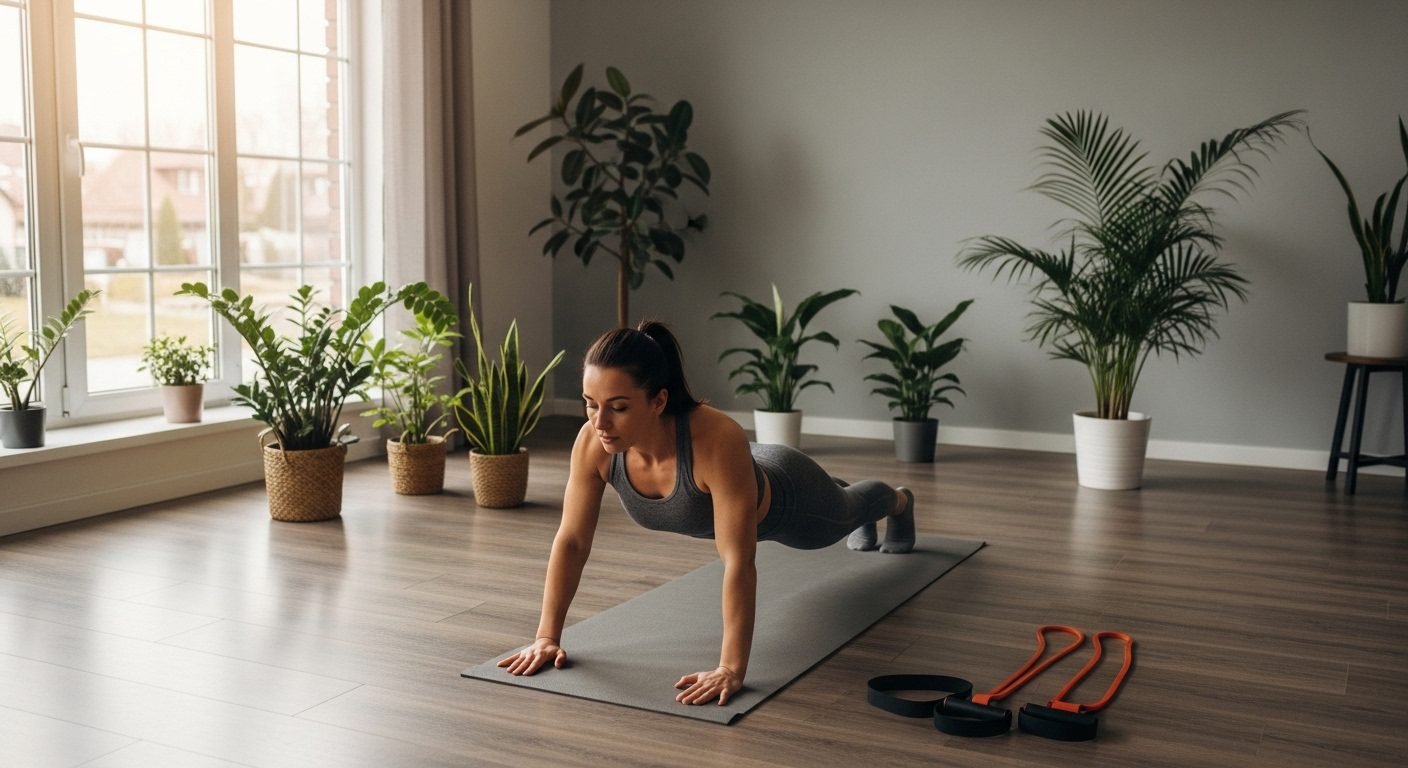
When most people think about core workouts, they think about abs.
But true strength doesn’t come from surface-level crunches — it comes from training your deep core muscles.
Your deep core includes:
- Transverse abdominis
- Pelvic floor
- Multifidus
- Diaphragm
These muscles stabilize your spine, protect your lower back, improve posture, and enhance athletic performance.
If you want a flatter stomach, better balance, and long-term core strength, these deep core exercises will help you build strength from the inside out.

1. Diaphragmatic Breathing (Foundation First)

Before jumping into movement, you must learn to activate your deep core.
How to do it:
- Lie on your back
- Place one hand on your chest, one on your stomach
- Breathe deeply into your belly
- Exhale slowly and gently tighten your lower abs
This activates the transverse abdominis — your natural internal corset.
Do this for 3–5 minutes daily.
2. Dead Bug
One of the best beginner-friendly deep core exercises.
How to do it:
- Lie on your back, arms up, knees bent
- Slowly extend opposite arm and leg
- Keep your lower back pressed into the floor
- Return and switch sides
Focus on control, not speed.
3. Bird Dog
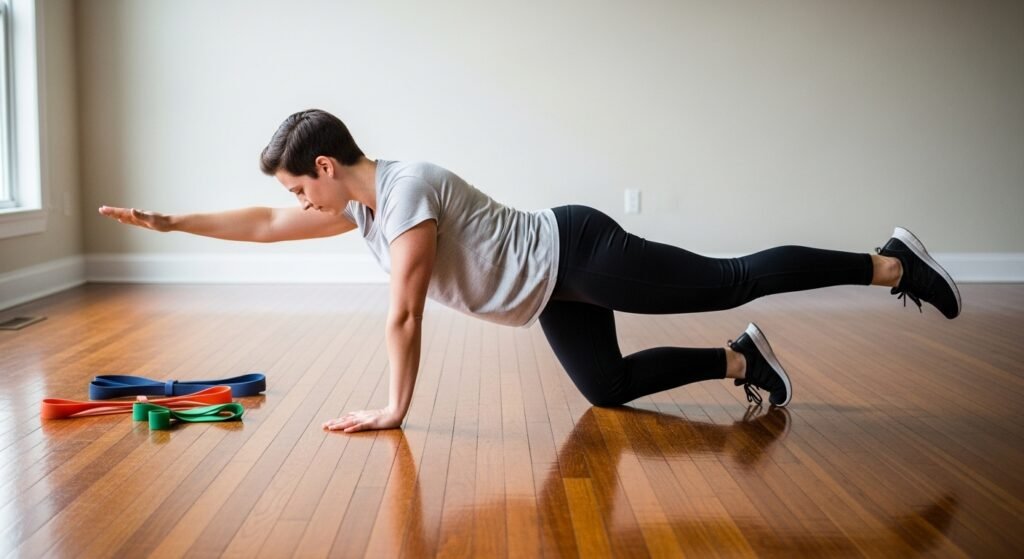
This move improves balance and spinal stability.
Steps:
- Start on hands and knees
- Extend opposite arm and leg
- Keep hips square and core tight
- Hold for 3–5 seconds
You’ll feel this deep in your lower core and back stabilizers.
4. Glute Bridge With Core Engagement
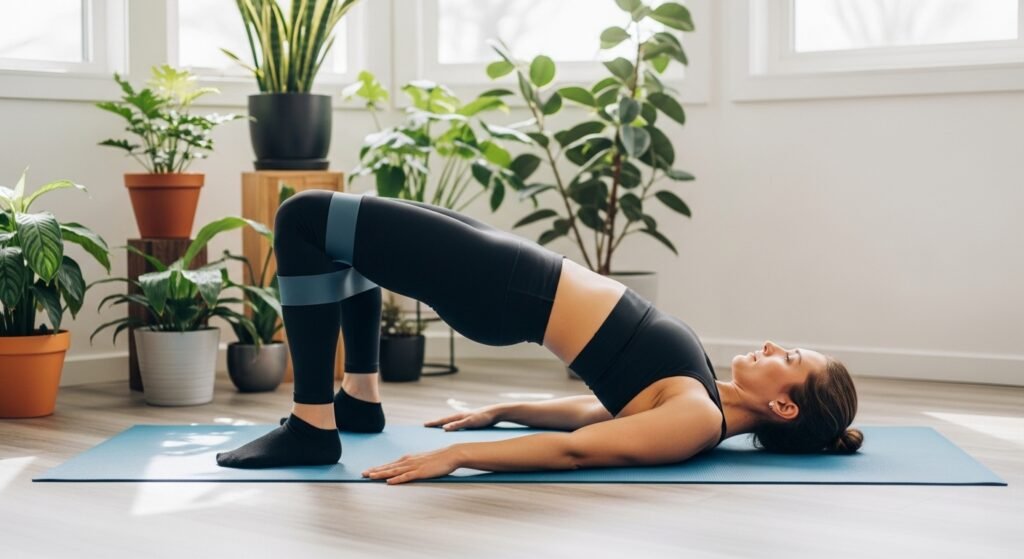
Your deep core works together with your glutes.
How to:
- Lie on your back
- Bend knees
- Engage core
- Lift hips slowly
- Lower with control
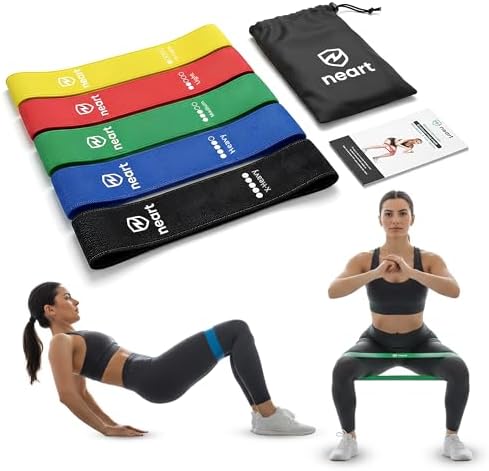
For extra activation, add resistance.
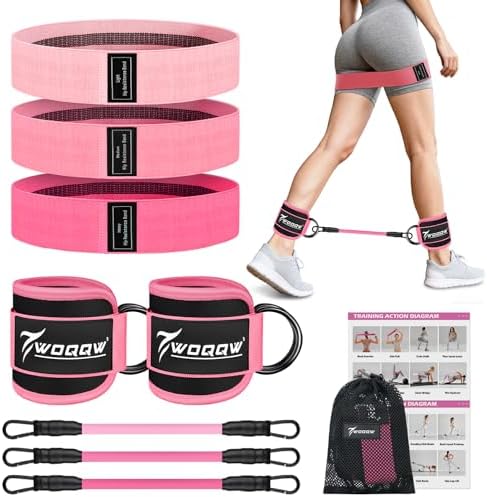
👉 A fabric resistance bands set from Amazon is incredibly helpful here. Placing it above your knees increases glute and core engagement significantly. It’s affordable, portable, and ideal for home workouts.

5. Modified Side Plank
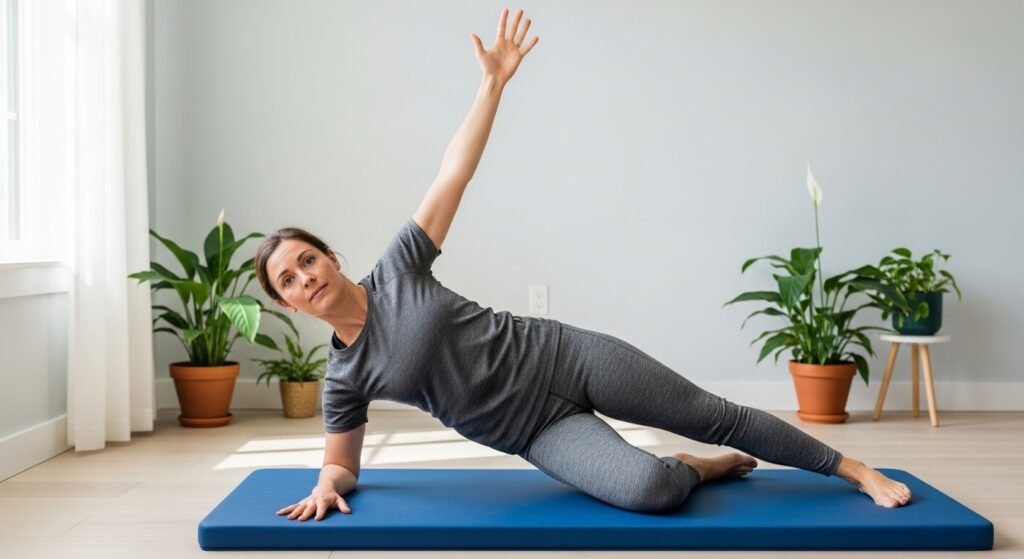
Side planks target deep obliques and transverse abdominis.
Beginner version:
- Knees bent
- Lift hips
- Keep spine neutral
Hold 20–30 seconds.
Progress to full side plank when ready.

6. Pallof Press (Core Stability)
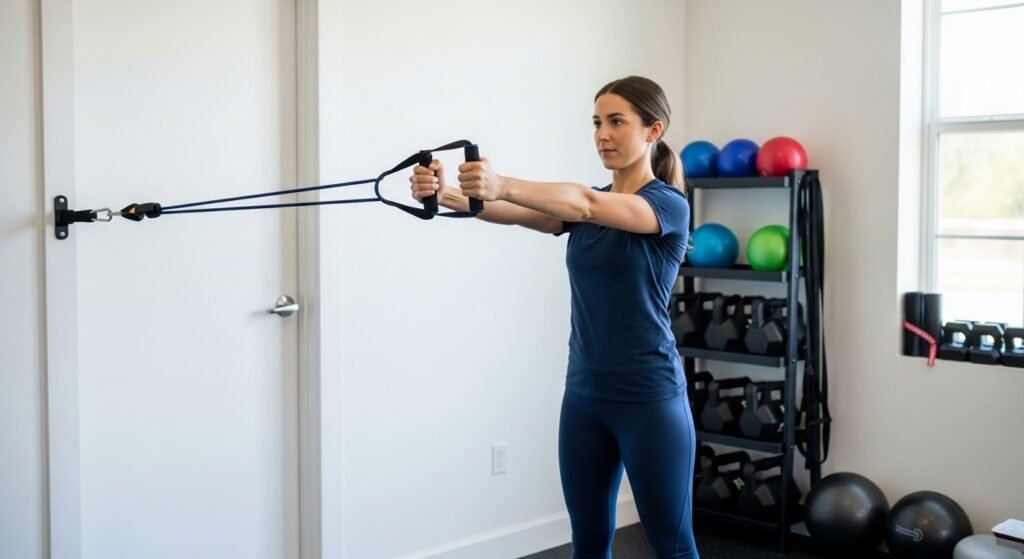
This anti-rotation exercise builds real deep core strength.
How to:
- Attach resistance band to stable point
- Hold band at chest
- Press forward slowly
- Resist twisting
This strengthens stabilizing muscles deeply.
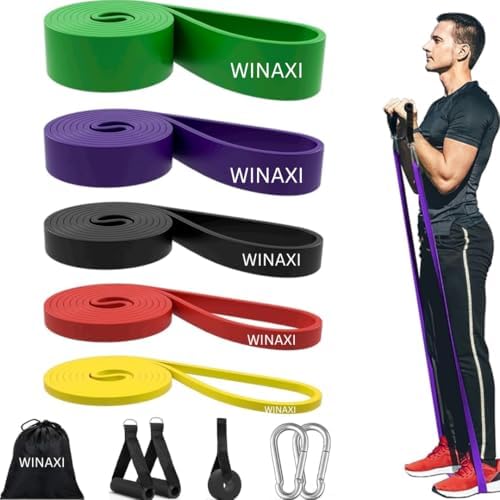
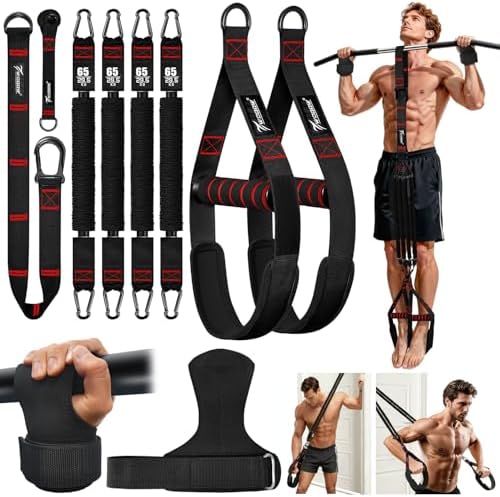
👉 A quality adjustable resistance band set with door anchor on Amazon makes this exercise easy to perform safely at home without gym equipment.

7. Heel Taps
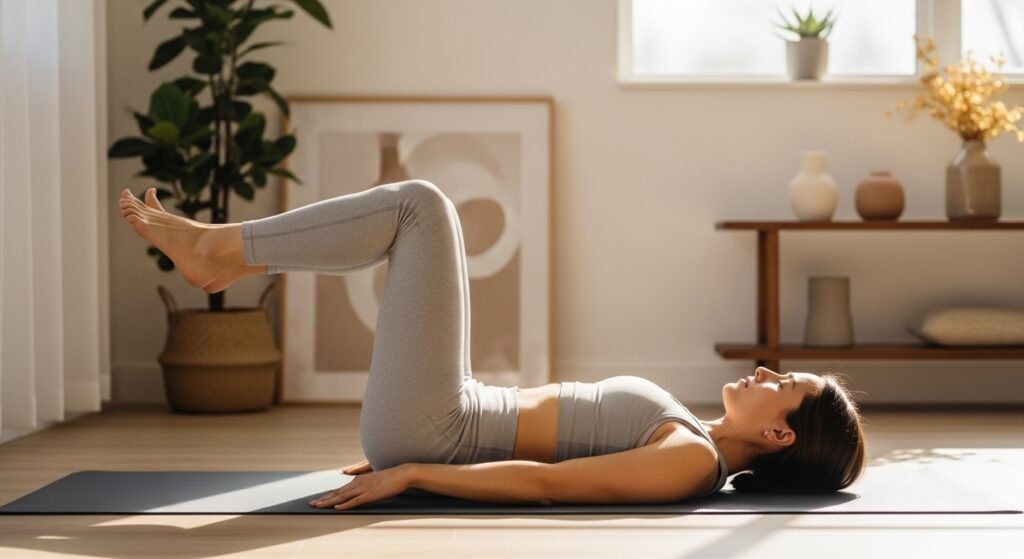
Simple but effective.
- Lie on your back
- Engage core
- Lift feet slightly
- Alternate tapping heels
Keep lower back flat on the floor.
Small movement, big activation.
8. Plank (With Proper Form)
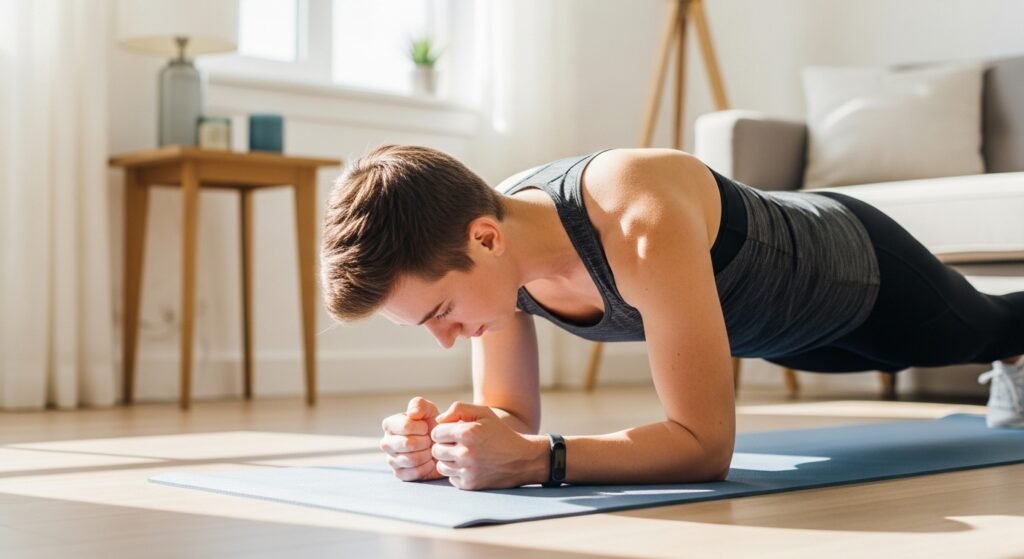
Standard planks are powerful if done correctly.
Key focus:
- Neutral spine
- Tight glutes
- Gentle abdominal bracing
- Don’t sag lower back
Hold 20–60 seconds.
Quality > duration.
9. Leg Lowers (Controlled)
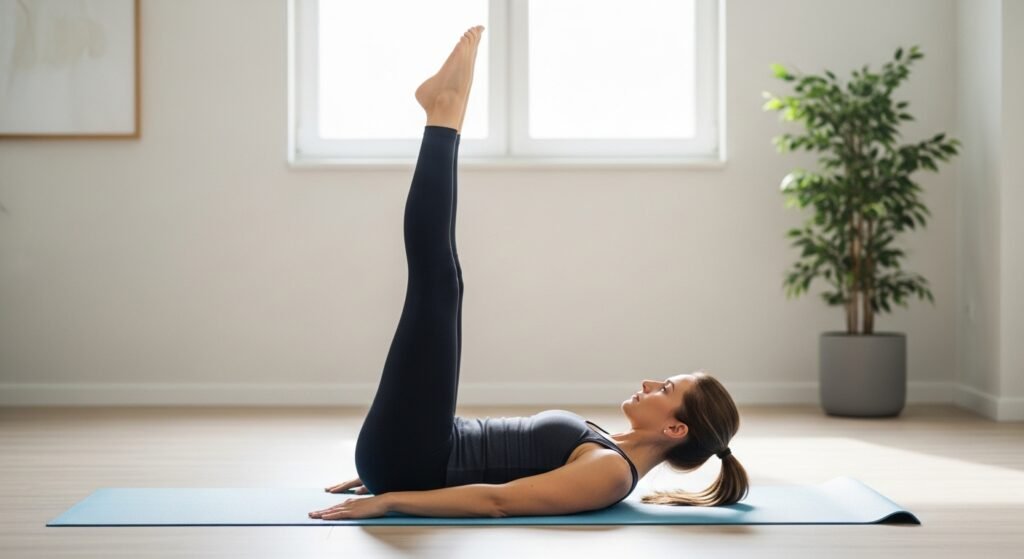
This one challenges deep stability.
Steps:
- Lie on your back
- Lift legs toward ceiling
- Slowly lower without arching back
- Raise back up
Only go as low as you can maintain control.
10. Hollow Body Hold
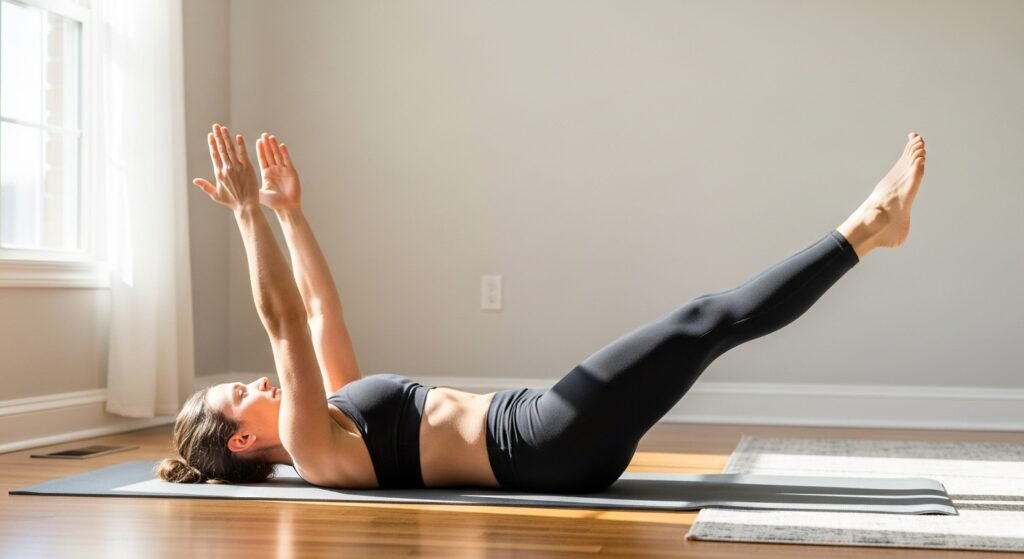
Advanced but effective.
- Lie flat
- Lift shoulders slightly
- Lift legs slightly
- Keep lower back pressed down
- Hold position
This deeply activates the entire core system.
How Often Should You Train Deep Core?
For best results:
- 3–4 times per week
- 15–25 minutes per session
- Focus on control and breathing
Remember: Deep core training is about stability and activation — not speed or heavy sweating.
Why Deep Core Strength Matters
Training your deep core:
✅ Reduces lower back pain
✅ Improves posture
✅ Helps flatten the lower belly
✅ Enhances balance
✅ Supports better performance in all workouts
✅ Prevents injuries
This is foundational training — not flashy, but incredibly powerful.
Final Thoughts
If you want long-term strength, not just visible abs, focus on deep core exercises consistently.
Master breathing. Control movement. Progress gradually.
Tools like resistance bands can enhance activation, but technique always comes first.
Train from the inside out — and your results will follow.