

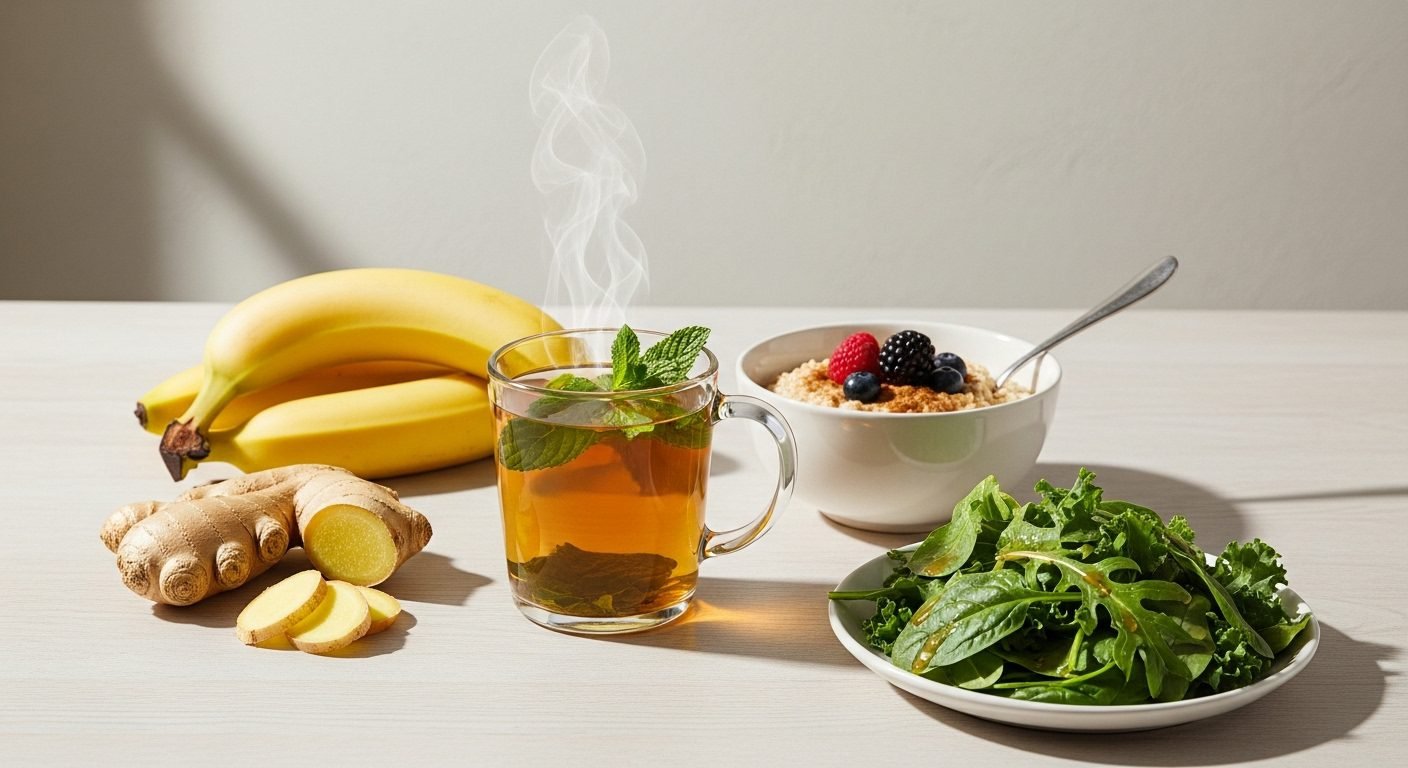
Acid reflux is one of those conditions that quietly takes over daily life. The burning chest sensation, sour taste, bloating, and discomfort after meals can make even simple moments like lying down or enjoying food feel stressful.
This guide shares 7 natural acid reflux remedies that have been tested through real-life experience and supported by digestive health research. These remedies focus on getting rid of acid reflux naturally, not masking symptoms, and are safe for long-term digestive support.
Understanding Acid Reflux (Why It Keeps Coming Back)
Acid reflux happens when stomach acid moves upward into the esophagus due to a weakened lower esophageal sphincter (LES). Triggers often include poor eating habits, stress, acidic foods, large meals, and lying down too soon after eating.
Years of working with digestive health routines and personally dealing with reflux flare-ups—have shown that small daily habits matter more than quick fixes.
Eat Smaller, Slower Meals
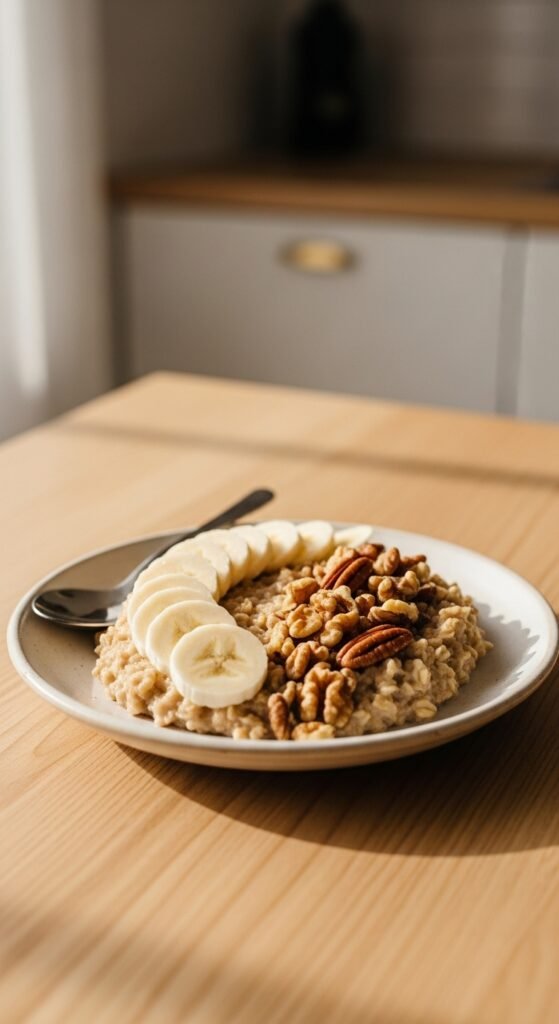
One of the simplest yet most effective acid reflux remedies is portion control.
Eating large meals overstretches the stomach, increasing pressure on the LES and forcing acid upward. Those who switched to smaller, slower meals often noticed:
- Less chest burning
- Reduced bloating
- Improved digestion
💡 Personal insight: People who consciously chewed more slowly and stopped eating before feeling “too full” saw symptoms reduce within days.
Avoid Lying Down After Eating

Gravity plays a major role in digestion. Lying down too soon after meals makes it easier for acid reflux to occur.
What helps:
- Staying upright for at least 2–3 hours after eating
- Gentle walking after meals instead of resting
- Avoiding late-night dinners
This habit alone has helped many people “get rid of acid reflux at night” without medication.
Identify and Remove Trigger Foods
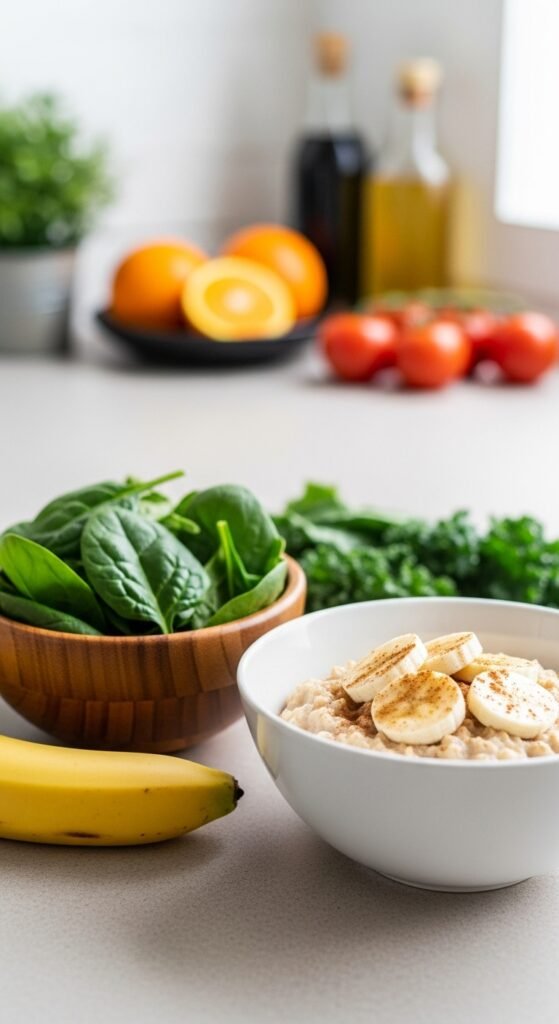
Trigger foods differ for everyone, but common acid reflux triggers include:
- Fried foods
- Spicy foods
- Citrus fruits
- Chocolate
- Coffee
- Carbonated drinks
Keeping a simple food and symptom journal for a week can quickly reveal patterns. Eliminating just one or two problem foods often leads to noticeable relief.
Improve Gut Health With Alkaline Foods
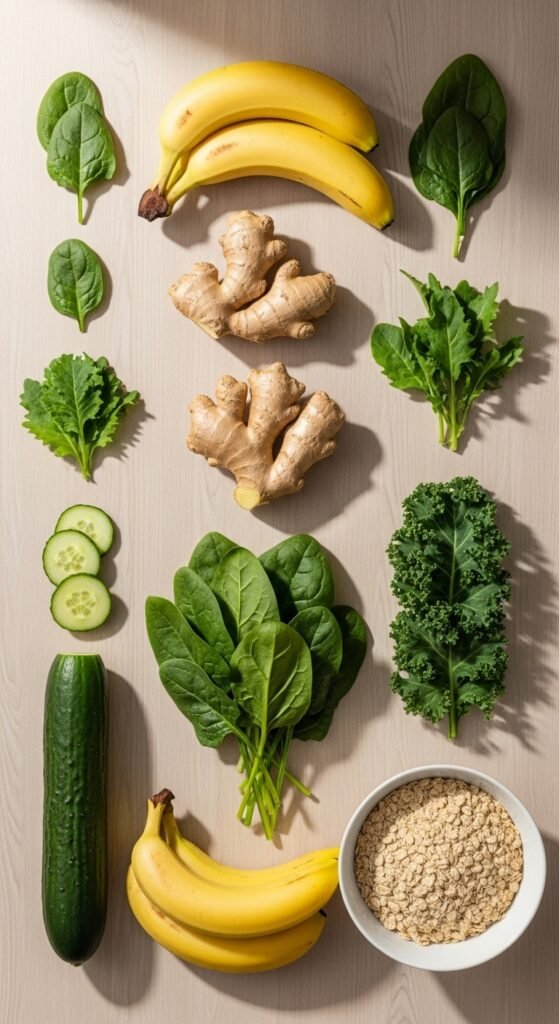
A gut-friendly, alkaline-leaning diet can calm acid reflux symptoms naturally.
Foods that help reduce acid reflux:
- Bananas
- Oatmeal
- Melons
- Leafy greens
- Cucumber
- Ginger
Many people experience fewer flare-ups when meals are built around these foods rather than acidic or processed options.
Manage Stress (A Hidden Acid Reflux Trigger)

Stress doesn’t just affect the mind—it directly impacts digestion.
During high-stress periods, people often report:
- Increased heartburn
- Slower digestion
- Tightness in the chest
Simple practices like deep breathing, gentle yoga, short walks, or stretching can noticeably reduce symptoms. From real experience, calming the nervous system often calms acid reflux faster than food changes alone.
Sleep With Your Upper Body Elevated

Nighttime acid reflux can be especially frustrating. Elevating the upper body helps prevent stomach acid from traveling upward during sleep.
Helpful tips:
- Elevate the head slightly (not just the neck)
- Sleep on the left side
- Avoid heavy dinners
People who adopted this habit consistently reported better sleep and fewer morning symptoms.
Maintain a Healthy Weight

Excess weight adds pressure to the abdomen, increasing the likelihood of acid reflux.
Even small, gradual lifestyle improvements like light daily movement and mindful eating can reduce reflux frequency over time. No extreme routines are required; consistency matters most.
Final Thoughts: Getting Rid of Acid Reflux Naturally Takes Consistency
There is no single overnight cure for acid reflux—but these 7 remedies work together to reduce symptoms safely and naturally.
Those who find long-term relief usually:
- Build gut-friendly habits
- Reduce triggers instead of chasing quick fixes
- Stay consistent for at least a few weeks
When approached holistically, digestive health improves—and acid reflux loses its grip.