
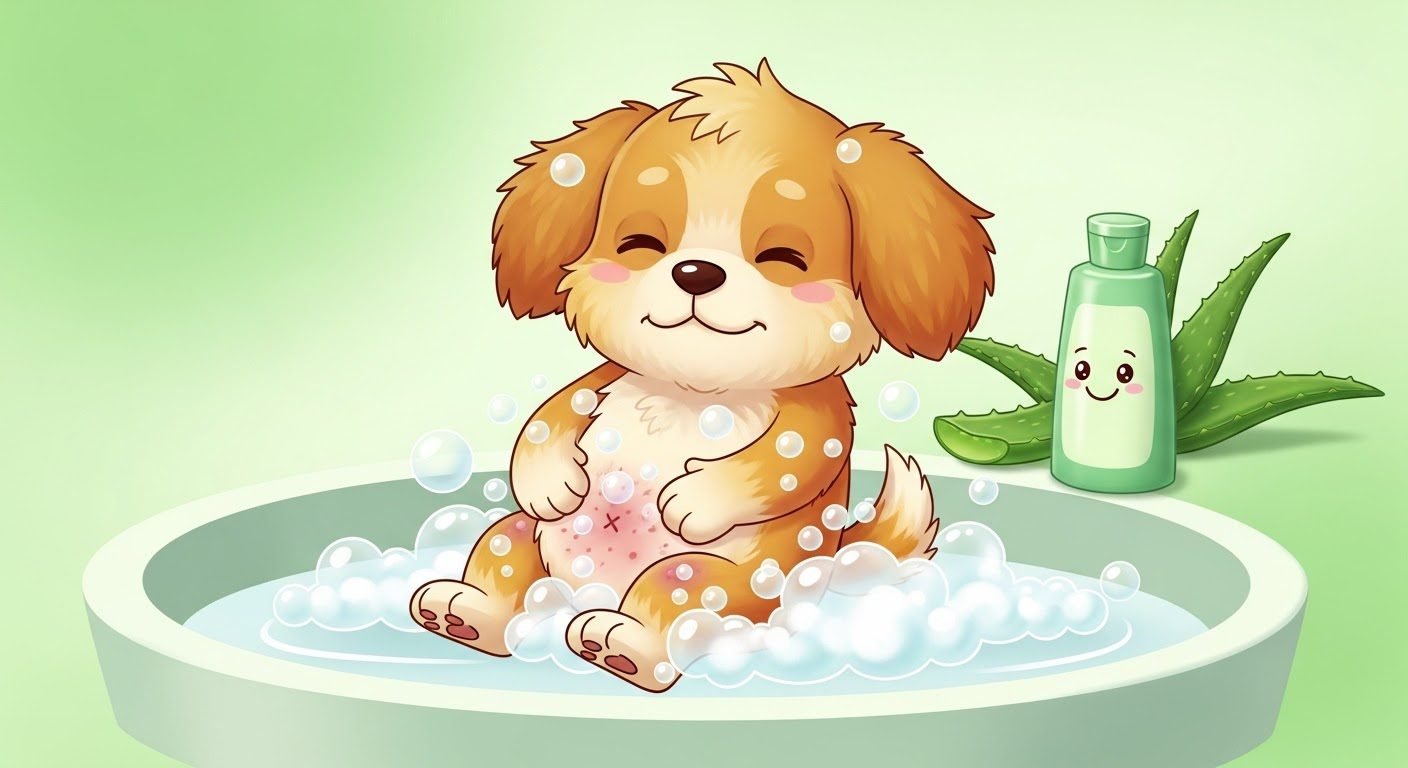
Dogs love exploring the outdoors sniffing through grass, bushes, and trails. Unfortunately, that curiosity sometimes leads them straight into poison ivy, poison oak, or poison sumac. While dogs are somewhat protected by their fur, the oil that causes the reaction urushiol can still stick to their coat, paws, and nose, causing irritation and even spreading it to their humans.
This guide covers how to treat poison ivy in dogs naturally, how to soothe their itching fast, and when to see a vet. It also includes honest, first-hand product recommendations only those that have proven safe and effective in real use.
Understanding Poison Ivy Rash in Dogs
When a dog brushes against poison ivy, the oily resin urushiol transfers to their fur. Dogs may not react as strongly as humans, but sensitive areas belly, nose, inside ears, paws, or groin can become red, itchy, and inflamed. You might notice your dog licking or scratching those spots constantly, or small bumps forming.
If your dog has had outdoor adventures recently and starts itching suddenly, poison ivy could be the culprit.
First Steps: Act Fast After Exposure
The first few hours matter. The goal is to remove the urushiol oil before it spreads or gets on your skin.
As soon as you suspect contact, put on disposable gloves and wash your dog’s coat thoroughly using mild dog shampoo and lukewarm water. Avoid hot water, as it can open pores and allow the oil to absorb further.
An oatmeal-based or aloe-infused dog shampoo is ideal for calming irritation. The author has personally used the Burt’s Bees Oatmeal Dog Shampoo (available on Amazon) and found it gentle yet effective it cleansed the coat well without drying out the skin. After rinsing, dry your dog with a clean towel you can later wash separately.
How to Soothe a Poison Ivy Rash Naturally
Even after washing, the skin may remain irritated. Natural remedies can help reduce redness and itching while promoting healing.
A cool compress is a simple first step. Press a soft cloth soaked in cool water onto the affected area for a few minutes it helps calm inflammation and reduces scratching.
A colloidal oatmeal paste or an oatmeal bath is another gentle, time-tested remedy. Mix finely ground oatmeal with water until it forms a paste, and apply to the rash area for 10–15 minutes before rinsing. Oatmeal’s natural anti-inflammatory properties can bring visible comfort.
If the rash persists or looks dry and flaky, try applying a thin layer of aloe vera gel. The author used Banana Boat Soothing Aloe Gel (available on Amazon) on her own dog’s paw — the redness calmed noticeably overnight. Always make sure the aloe is pure, free from alcohol or additives that might irritate sensitive skin.
Essential Oils: Use with Care
While essential oils like tea tree oil and lavender are often praised for their antibacterial and soothing effects, they must be used carefully on dogs. Tea tree oil in particular can be toxic if ingested or used undiluted.
If you prefer a natural route, choose a pet-safe essential oil spray specifically formulated for dogs. The author tested Vet’s Best Hot Spot Spray for Dogs (available on Amazon) — it combines tea tree oil, aloe vera, and chamomile in a safe concentration, offering noticeable itch relief without harsh chemicals.

Preventing the Spread of Urushiol
After treating your dog, don’t forget your home and clothing. Urushiol can linger on surfaces for days, potentially causing reactions in humans.
Wash your dog’s bedding, collar, leash, and any blankets they’ve touched with warm water and pet-safe detergent. Clean your own hands and arms thoroughly after handling your pet.
If your dog regularly explores wooded areas, consider using a dog grooming wipe after walks. Wipes containing aloe or oatmeal help remove plant oils before they cause problems.
When to Call the Vet
Most mild cases can be managed at home with gentle washing and soothing care. However, call your vet if you notice:
- Persistent redness or swelling after several days
- Blisters, pus, or open sores
- Hair loss or excessive scratching
- Lethargy, loss of appetite, or signs of pain
Your vet may prescribe a mild steroid cream or oral antihistamine to control inflammation and prevent secondary infections.
Always confirm with a veterinarian before giving any oral medication, even over-the-counter antihistamines, as dosage varies by breed and weight.
Author’s Real Experience
After a weekend hike in late summer, the author’s golden retriever developed small red patches on her belly. A quick wash using oatmeal shampoo and cool water, followed by Vet’s Best Hot Spot Spray, made a visible difference within 24 hours. By day 3, the redness faded, and the itching stopped completely.
That personal success story reinforces the importance of prompt action and using pet-formulated products instead of harsh human remedies.
Key Takeaway
Poison ivy rashes on dogs can be scary but are manageable with quick cleaning, soothing natural care, and safe topical relief. Oatmeal baths, aloe gel, and pet-safe essential oil sprays can speed up healing and bring comfort fast. The combination of gentle washing and natural calming treatments worked best in the author’s experience.
If symptoms persist or worsen, your vet is your best resource for guidance and peace of mind.