

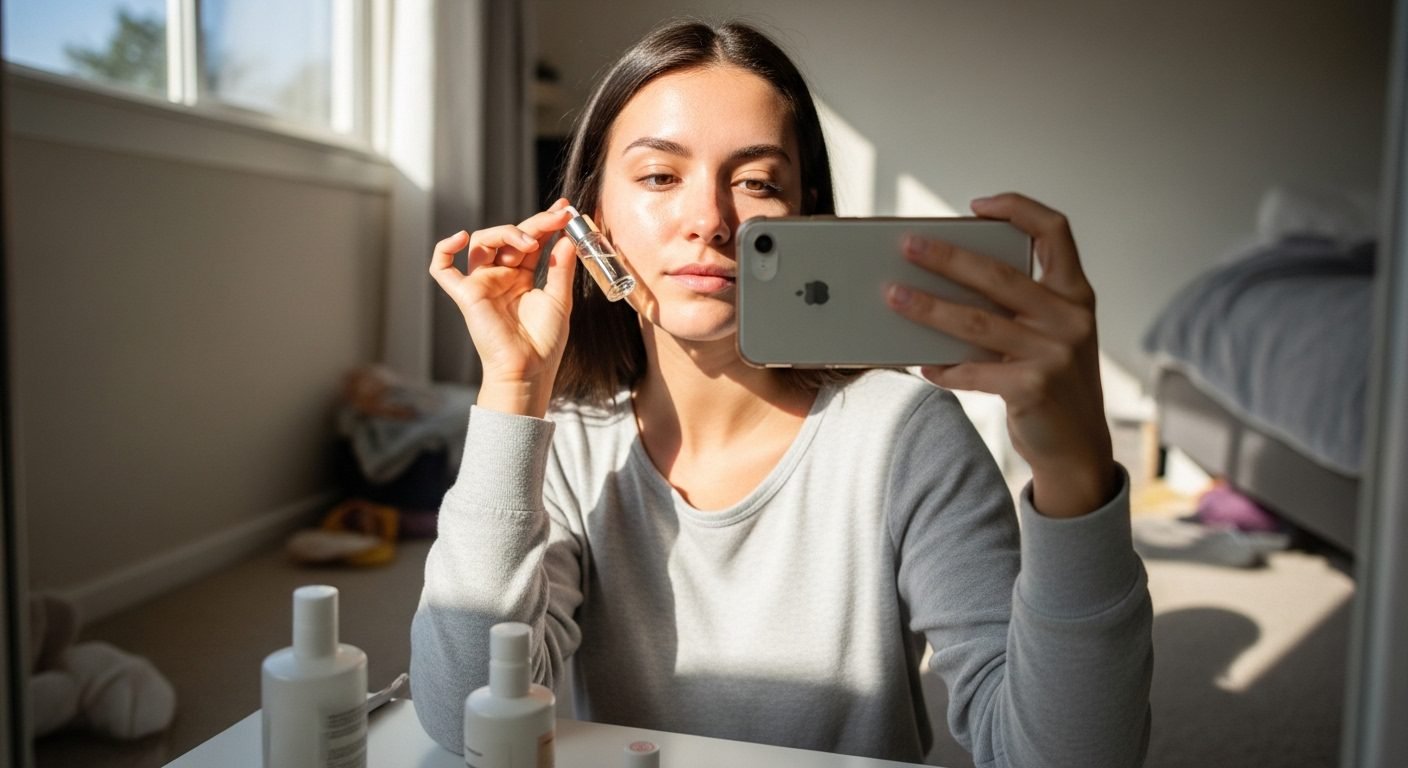
Serums are one of the most powerful parts of a skincare routine. They contain concentrated active ingredients that target specific concerns like acne, dullness, dehydration, fine lines, and uneven skin tone. However, many people use multiple serums incorrectly, which can reduce their effectiveness or even irritate the skin.
Learning how to layer serums properly helps each product absorb better and work more efficiently. When done correctly, serum layering can transform a basic routine into a targeted skincare treatment that delivers visible results.
Below is a detailed guide explaining the correct order, techniques, and tips for layering serums safely and effectively.
🌿 Why Serum Layering Matters
Serums are designed with different textures, ingredient strengths, and absorption speeds. If they are applied in the wrong order, thicker formulas may block lighter ones from penetrating the skin.
Correct layering helps:
- Active ingredients penetrate deeper
- Prevents product pilling
- Reduces risk of irritation
- Improves overall skincare results
- Allows multiple skin concerns to be addressed at once
Dermatologists and skincare experts generally recommend applying products from thinnest to thickest consistency.
🧴 Step-by-Step Guide: How to Layer Serums
1. Start With a Clean Face
The first step before applying any serum is thoroughly cleansing the skin. A clean face allows active ingredients to penetrate without being blocked by dirt, oil, or leftover makeup.
Use a gentle cleanser that does not strip the skin barrier.
A popular gentle option many skincare enthusiasts use is CeraVe Hydrating Facial Cleanser, which helps remove impurities while maintaining the skin’s natural moisture barrier.

- Net Weight and Dimensions: 4.5 oz (127 g) solid bar; approximately 3.5 x 2.25 x 1 inches
- Key Active Ingredients: Contains 5% cetearyl alcohol and 3% ceramide NP
- pH Level and Tolerance: Formulated at a physiological pH between 5.5 and 6.5; non-comedogenic and non-irritating
Pat your skin dry, but leave it slightly damp to improve absorption.
2. Apply the Thinnest Serum First
Always begin with the most lightweight, water-based serum. These formulas penetrate quickly and deliver hydration deep into the skin.
Common lightweight serums include:
- Hyaluronic acid
- Niacinamide
- Peptide serums
- Hydrating essence-style serums
For example, The Ordinary Hyaluronic Acid 2% + B5 is a well-known hydration serum that works best when applied immediately after cleansing.

Lightweight serums prepare the skin and create the perfect base for stronger active ingredients applied later.
3. Follow With Treatment Serums
After hydrating serums, apply treatment-focused formulas that address specific skin concerns.
Examples include:
- Vitamin C (brightening and antioxidant protection)
- Retinol (anti-aging and skin renewal)
- Salicylic acid (acne treatment)
- Alpha hydroxy acids (exfoliation)
These serums contain stronger active ingredients and should be applied after hydration layers so they can work effectively without causing unnecessary dryness.
Always apply 2–3 drops only, as serums are highly concentrated.
4. Apply Oil-Based Serums Last
Oil-based serums should always come after water-based ones because oils create a barrier that locks in moisture.
Common oil-based serums include:
- Rosehip oil
- Squalane
- Vitamin E oils
- Facial oil blends
These serums seal hydration and help prevent water loss from the skin.
If applied earlier in the routine, they may block lighter serums from absorbing properly.
5. Wait Between Each Layer
One common mistake people make when layering serums is applying products too quickly.
Allow 30–60 seconds between each layer so the previous serum can absorb fully.
This helps:
- Prevent product pilling
- Improve ingredient absorption
- Reduce irritation
A good rule is to wait until the skin feels slightly tacky but not wet before applying the next serum.
6. Avoid Mixing Too Many Active Ingredients
Using too many treatment serums at once can overwhelm the skin and damage the skin barrier.
Some ingredient combinations should be used carefully or on different days, such as:
- Retinol + strong exfoliating acids
- Vitamin C + benzoyl peroxide
- Multiple exfoliating acids together
A simple routine with 2–3 serums maximum is usually the most effective approach.
7. Always Finish With Moisturizer
Serums deliver active ingredients, but moisturizer helps lock everything in and protect the skin barrier.
Moisturizer creates a protective layer that prevents dehydration and keeps ingredients working longer.
Even oily skin types benefit from a lightweight moisturizer after applying serums.
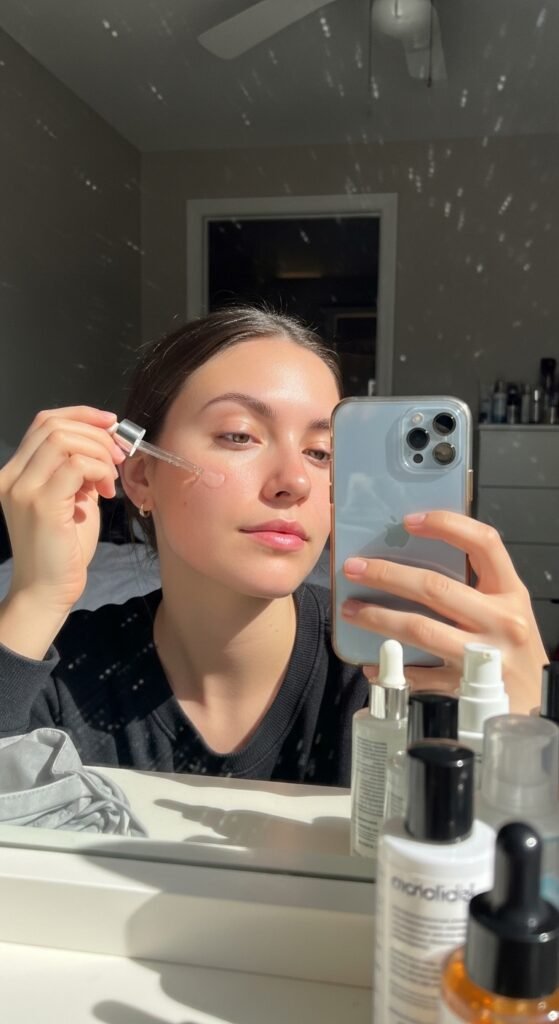
🌸 Example of a Simple Serum Layering Routine
Here is a beginner-friendly routine that works well for most skin types:
Morning Routine
- Cleanser
- Hyaluronic Acid Serum
- Vitamin C Serum
- Moisturizer
- Sunscreen
Night Routine
- Cleanser
- Niacinamide Serum
- Retinol Serum
- Moisturizer
This routine targets hydration, brightening, and skin renewal without overloading the skin.
⚠️ Common Serum Layering Mistakes
Many people accidentally reduce the effectiveness of their skincare by making small mistakes.
Avoid these common errors:
- Applying thick serums before lightweight ones
- Using too many actives at once
- Skipping moisturizer after serums
- Not waiting between layers
- Using large amounts of product
Remember that consistency matters more than quantity when it comes to skincare.
✨ Final Thoughts
Learning how to layer serums properly can dramatically improve your skincare results. When applied in the right order—lightweight to heavier formulas—serums can hydrate, brighten, and treat skin concerns much more effectively.
The key is to keep your routine balanced, avoid overloading the skin with too many actives, and give each product time to absorb.
With the right layering technique and a consistent routine, serums can become one of the most powerful tools for achieving healthier, clearer, and glowing skin.