
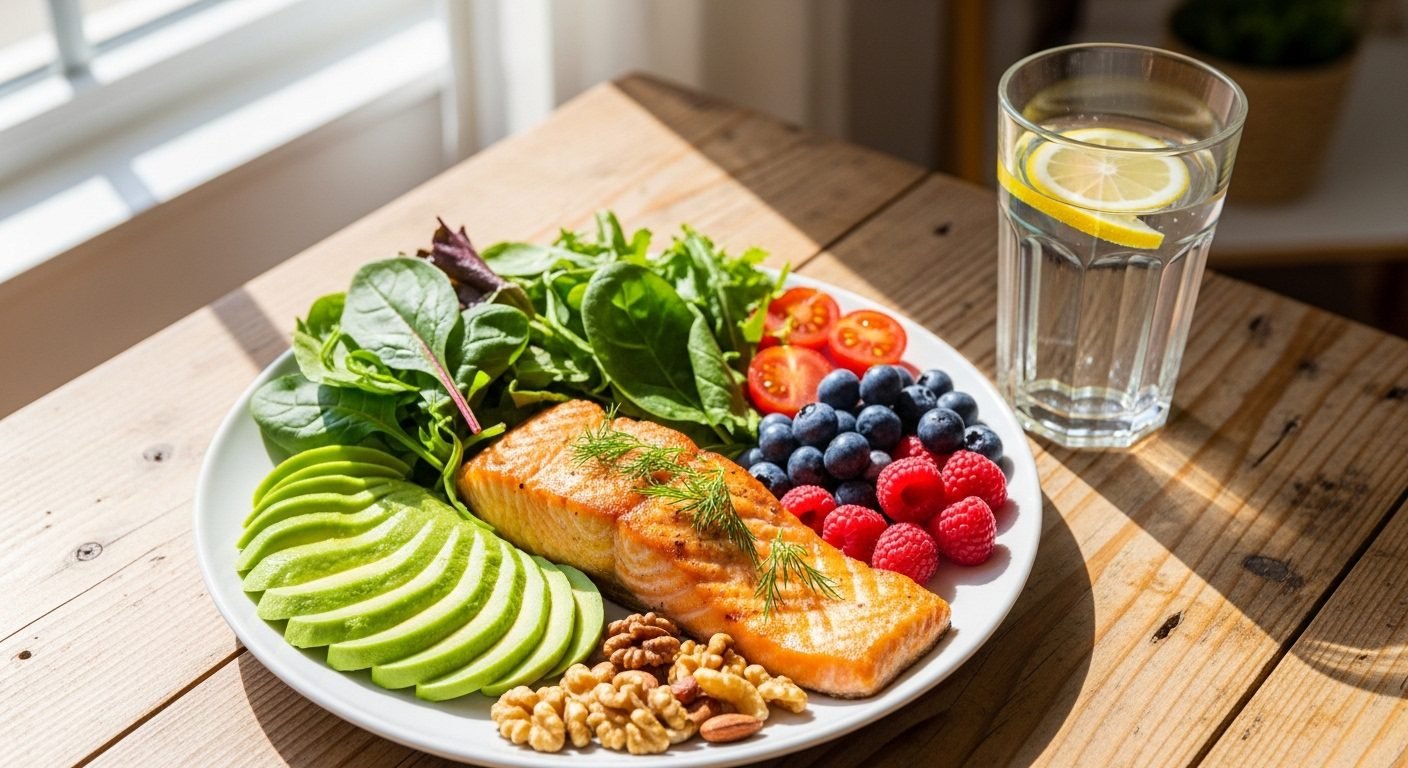
(Lifestyle & Food-Based Habits That Support a Healthy Heart)
High blood pressure is commonly influenced by stress, diet, inactivity, and sleep quality. While professional medical care is essential for diagnosis and treatment, many people explore natural lifestyle approaches to support overall heart health.
This article focuses on general wellness habits and heart-supportive foods. It does not provide medical treatment or replace professional care.
1. Reduce Excess Salt Intake
Too much sodium can influence fluid balance in the body. Many packaged and restaurant foods contain hidden salt.
Helpful approach:
- Cook more at home
- Flavor meals with garlic, herbs, lemon, cumin, or turmeric
- Read nutrition labels carefully
For educational nutrition resources, visit the American Heart Association (heart.org).
2. Eat Potassium-Rich Foods
Potassium supports natural fluid regulation in the body.
Food examples:
- Bananas
- Spinach
- Sweet potatoes
- Avocados
- White beans
- Coconut water (unsweetened)
Adding potassium-rich whole foods regularly may support balanced cardiovascular wellness patterns.
Reliable educational information is available via the Centers for Disease Control and Prevention (cdc.gov).
3. Include Magnesium-Rich Foods
Magnesium plays a role in muscle and vascular relaxation.
Foods to try:
- Pumpkin seeds
- Almonds
- Cashews
- Dark chocolate (70%+ cocoa, moderate portions)
- Black beans
These nutrient-dense foods also provide fiber and healthy fats.
4. Focus on Nitrate-Rich Vegetables
Certain vegetables naturally contain dietary nitrates, which are linked in research to vascular support.
Good options:
- Beetroot
- Arugula
- Spinach
- Lettuce
- Celery
Fresh beet salad or blended vegetable juices are popular in heart-supportive meal patterns.
You can explore nutrition-focused research summaries through the World Health Organization (who.int).
5. Choose Fiber-Rich Whole Foods
Fiber supports digestion and overall metabolic health.
High-fiber choices:
- Oats
- Chia seeds
- Lentils
- Brown rice
- Apples
Oatmeal with berries and seeds is a simple heart-friendly breakfast choice.
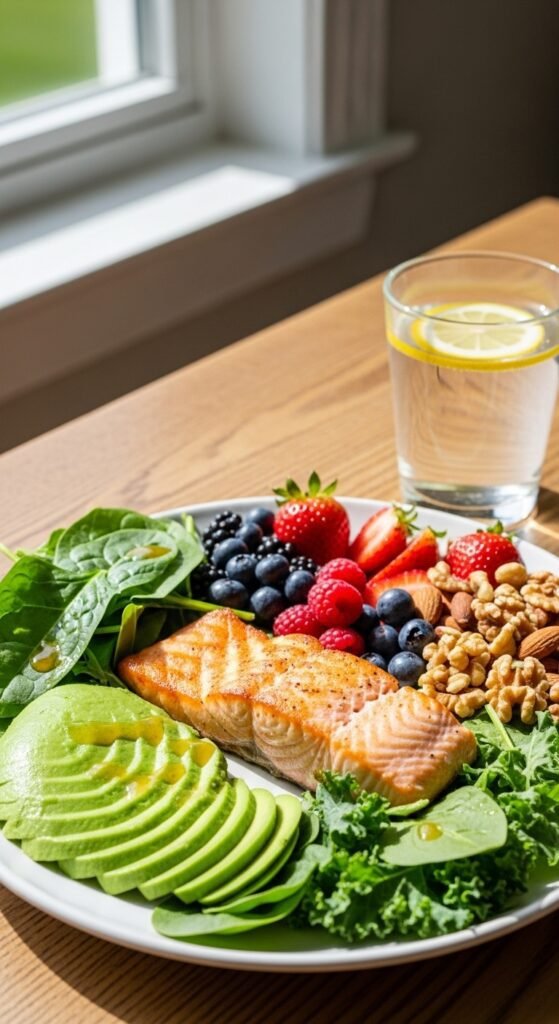
6. Add Omega-3 Fat Sources
Omega-3 fats are widely studied in relation to heart health.
Food examples:
- Salmon
- Sardines
- Flaxseeds
- Chia seeds
- Walnuts
Plant-based or seafood options can both contribute to balanced nutrition patterns.
Educational heart resources can also be found at the National Heart, Lung, and Blood Institute (nhlbi.nih.gov).
7. Maintain Regular Physical Activity
Movement supports circulation and overall cardiovascular balance.
Simple activities include:
- Brisk walking
- Light jogging
- Cycling
- Swimming
- Home stretching routines
Consistency matters more than intensity.
8. Practice Stress Management
Chronic stress may influence overall cardiovascular strain.
Supportive techniques:
- Deep breathing
- Meditation
- Prayer or quiet reflection
- Nature walks
- Journaling
Calming practices promote overall wellness and balance.
9. Improve Sleep Hygiene
Poor sleep patterns may affect multiple body systems.
Helpful sleep habits:
- Regular bedtime schedule
- Reduced evening screen time
- Calm, dark bedroom
- Limiting caffeine late in the day
Consistent, restorative sleep supports long-term health.
10. Stay Hydrated & Limit Processed Foods
Proper hydration supports circulation and normal body functions.
At the same time, reducing:
- Ultra-processed snacks
- Sugary drinks
- Excess alcohol
- Frequent fast food meals
may contribute to better overall health patterns.
Balanced Daily Plate Example
A simple heart-supportive meal pattern might include:
- Oatmeal topped with berries and chia seeds (breakfast)
- Lentil or bean salad with leafy greens (lunch)
- Grilled salmon with steamed vegetables (dinner)
- Handful of almonds or fruit as snacks
Small daily changes often create the strongest long-term results.
Important Note
This content shares general lifestyle and food-based ideas for overall cardiovascular wellness. It does not provide medical advice, diagnosis, or treatment.
Anyone experiencing symptoms such as chest discomfort, dizziness, fainting, or severe headache should seek professional medical care promptly.
Final Thoughts
Lowering blood pressure naturally isn’t about one single food or shortcut. It’s about a consistent pattern:
✔ Whole foods
✔ Balanced nutrients
✔ Movement
✔ Stress management
✔ Restorative sleep
When repeated daily, these habits may support long-term heart wellness