

Waking up with sharp heel pain that eases slightly as you walk? That’s a classic sign of Plantar fasciitis one of the most common causes of foot discomfort.
This condition happens when the thick band of tissue (plantar fascia) that supports your arch becomes inflamed. The pain can make simple daily activities uncomfortable, especially in the morning.
The good news? Many cases improve with consistent home care. Here are 7 effective plantar fasciitis home remedies that can reduce pain and support healing.
1. Ice Therapy (Quick Inflammation Relief)
Ice helps reduce inflammation and numb sharp pain.
How to use:
- Apply an ice pack to your heel for 15–20 minutes
- Repeat 2–3 times daily
Pro Tip: Freeze a water bottle and roll your foot over it for combined massage + cold therapy.
Best for: Morning pain and flare-ups after long standing.
2. Gentle Stretching Exercises
Tight calf muscles and arches often worsen symptoms.
Simple stretch:
- Sit down
- Cross affected foot over opposite knee
- Gently pull toes toward you
- Hold for 20–30 seconds
Repeat several times daily.
Stretching first thing in the morning can significantly reduce pain when stepping out of bed.
3. Massage Therapy
Massage improves blood flow and eases tightness in the plantar fascia.
You can use:
- Your hands
- A tennis ball
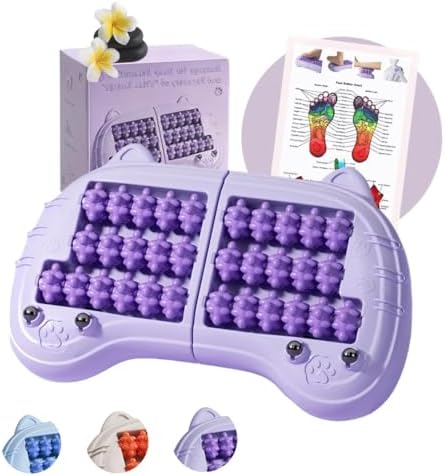
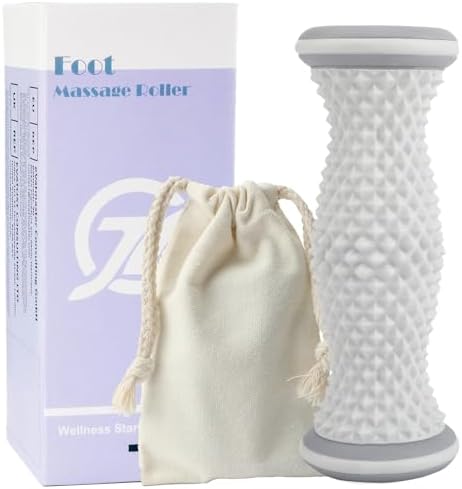
- A massage roller
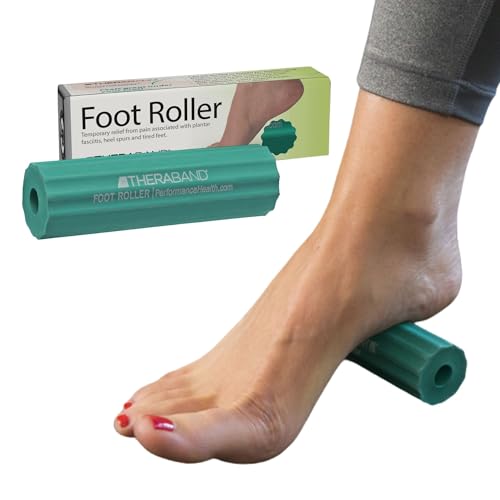
Rolling your foot for 5–10 minutes daily helps break tension in the arch.
👉 A helpful tool many people like is the TheraBand Foot Roller. Its textured surface targets the fascia and supports circulation while you sit or work from home.
4. Supportive Footwear (Avoid Barefoot Walking)
Walking barefoot on hard floors increases strain on the heel.
Look for shoes with:
- Arch support
- Cushioned heel
- Slight heel elevation
Avoid worn-out sneakers or completely flat shoes.
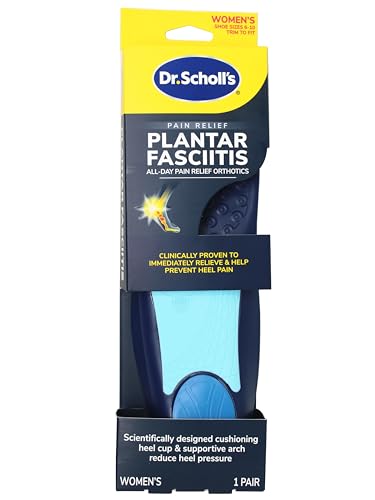
For indoor comfort, many users find relief using Dr. Scholl’s Plantar Fasciitis Pain Relief Orthotics, which add structured arch support and shock absorption to regular shoes.
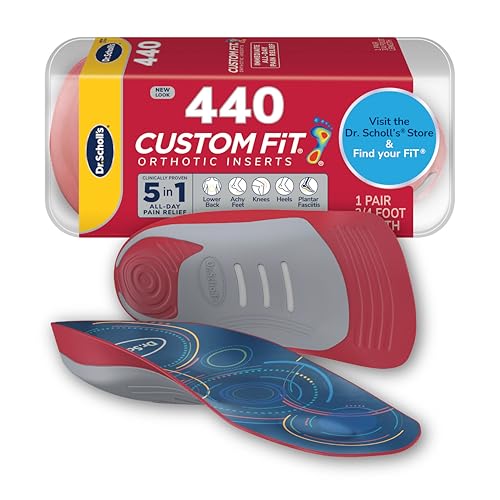
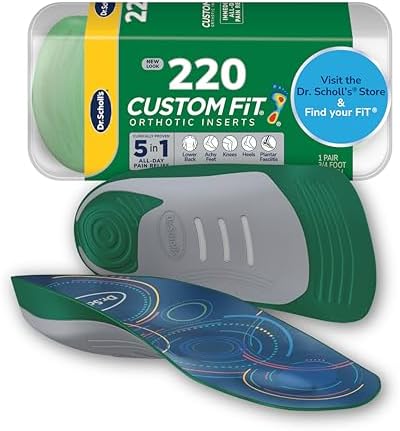
Support is often the most important long-term remedy.

5. Epsom Salt Foot Soak
A warm soak helps relax muscles and reduce stiffness.
How to do it:
- Fill a basin with warm water
- Add ½ cup Epsom salt
- Soak feet for 15–20 minutes
This works especially well before bedtime.
6. Night Stretch or Towel Technique
During sleep, the plantar fascia tightens. Stretching before bed helps reduce morning pain.
Try this:
- Loop a towel around your foot
- Gently pull toes upward
- Hold for 30 seconds
This keeps the fascia elongated and reduces that “first step” pain.
7. Rest & Weight Management
Excess pressure on the heel can delay healing.
Helpful tips:
- Avoid prolonged standing
- Alternate sitting and walking
- Gradually return to exercise
If you’re active, temporarily switch to low-impact activities like swimming or cycling.
When to See a Doctor
Seek medical advice if:
- Pain lasts longer than several weeks
- Swelling increases
- Walking becomes difficult
- Pain spreads beyond the heel
Final Thoughts
Plantar fasciitis can be painful, but consistent home care often brings noticeable improvement. Ice, stretching, massage, and proper footwear are the most effective natural approaches.
Small daily habits make a big difference. With patience and the right support, most people experience gradual relief without needing invasive treatments.