
Water retention, also called edema, happens when excess fluid builds up in the body. This often causes swelling in the feet, hands, ankles, or even the face. While occasional bloating is normal, persistent water retention can be uncomfortable and may indicate an underlying issue such as poor circulation, high sodium intake, hormonal changes, or certain medical conditions.
The good news is that mild water retention can often be managed naturally with home remedies and lifestyle changes. Here are 7 effective ways to help your body release excess fluid safely.
1. Reduce Salt Intake
One of the most common causes of water retention is a high-sodium diet. Salt draws water into the body’s tissues, leading to puffiness and swelling. Processed foods, canned soups, and fast food often contain hidden sodium that can make bloating worse.
How to do it naturally:
- Cook fresh meals using herbs and spices instead of salt.
- Check nutrition labels and choose low-sodium alternatives.
- Limit consumption of salty snacks and processed foods.
Even small reductions in sodium can make a noticeable difference within days.
2. Drink More Water
It might seem counterintuitive, but staying hydrated actually helps reduce water retention. When your body is dehydrated, it tends to hold onto water as a survival mechanism. Drinking enough water signals your body that it’s safe to release excess fluids.
Tips:
- Drink 8–10 glasses of water daily.
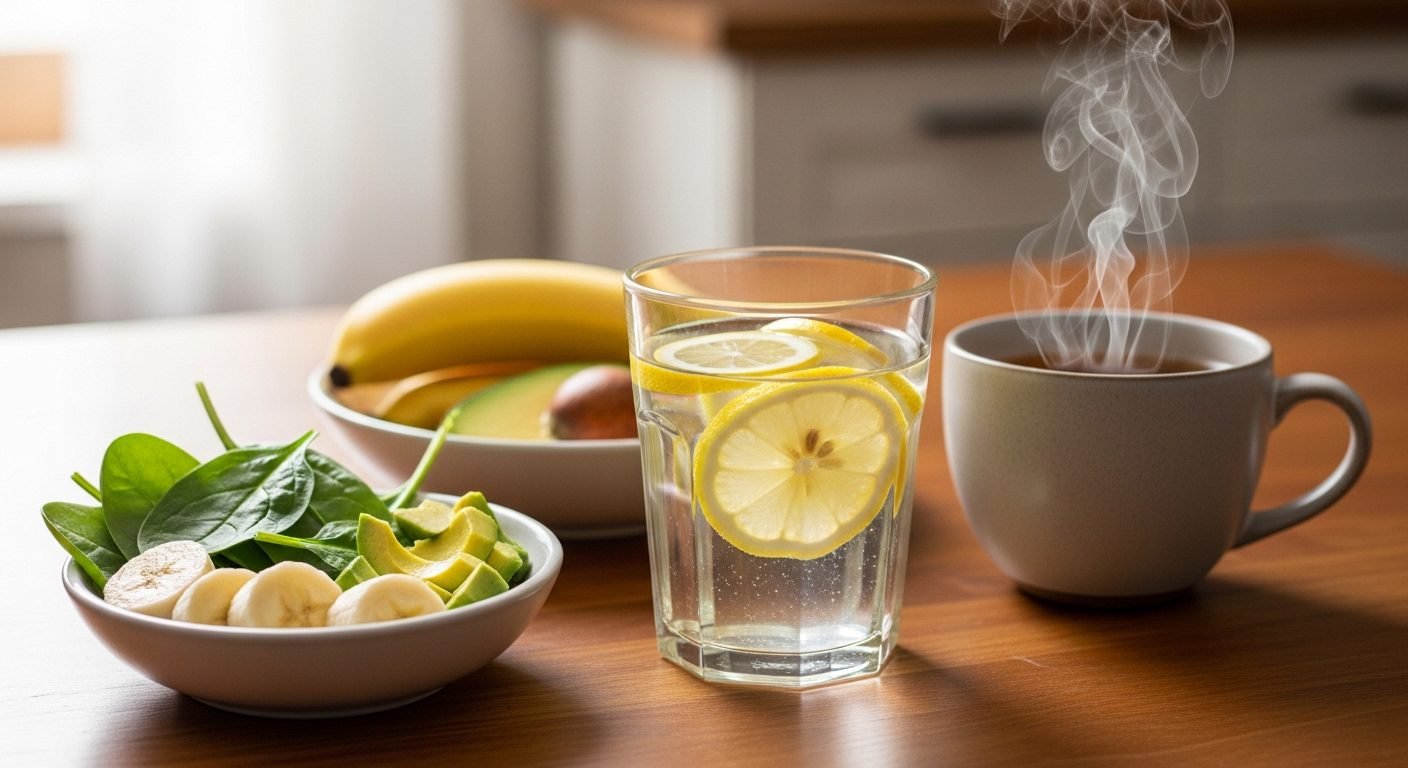
- Include natural fluids like coconut water, herbal teas, or infused water.
- Avoid excessive caffeine and alcohol, as they can dehydrate and worsen fluid retention.
Staying consistently hydrated also helps improve digestion and flush toxins.
3. Exercise Regularly
Physical activity improves blood circulation and encourages your body to get rid of excess fluids. Even gentle movements like walking, stretching, or yoga can help reduce swelling in the extremities.
Best practices:
- Take short walks after meals.
- Elevate legs after a long day while doing ankle rotations.
- Try low-impact exercises like swimming, cycling, or Pilates.
Exercise not only reduces water retention but also improves overall cardiovascular health and boosts metabolism.
4. Eat Potassium-Rich Foods
Potassium helps maintain a healthy balance of sodium in the body, which in turn reduces bloating and water retention. It also supports healthy kidney function, which is key to flushing out excess fluid.
Foods to include:
- Bananas, oranges, and kiwi
- Leafy greens like spinach and kale
- Avocado, sweet potatoes, and tomatoes
Incorporating these foods into your meals daily can have a subtle but lasting effect on water balance.

5. Herbal Teas and Natural Diuretics
Certain herbs act as natural diuretics, helping the body excrete excess water through urine. Dandelion tea, green tea, parsley tea, and nettle leaf tea are particularly effective.
How to use:
- Drink 1–2 cups per day, preferably in the morning.
- Combine with a balanced diet and plenty of water for best results.
These teas also provide antioxidants that help reduce inflammation and support overall wellness.
6. Massage and Elevation
Targeted massage and elevating swollen areas encourage fluid movement and improve lymphatic drainage. This is especially helpful for people who spend long hours sitting or standing.
Tips:
- Gently massage swollen feet or hands toward the heart.
- Elevate legs above heart level for 15–20 minutes daily.
- Use a foam roller or gentle stretching for added circulation.
Regular massage and elevation can relieve swelling quickly while also reducing discomfort.
7. Limit Refined Carbs and Sugary Foods
Refined carbohydrates and sugar can trigger insulin spikes, which may increase sodium retention and worsen bloating. Processed foods high in sugar and flour are common culprits.
Healthy alternatives:
- Choose whole grains like oats, quinoa, and brown rice.
- Snack on fresh fruits and vegetables instead of sugary treats.
- Focus on fiber-rich foods to support healthy digestion.
Cutting back on refined carbs not only reduces water retention but also stabilizes energy levels and improves overall health.
Bonus Tips for Daily Prevention
- Maintain a balanced diet with whole, unprocessed foods.
- Avoid sitting or standing in one position for long periods.
- Practice relaxation techniques to reduce stress, which can affect fluid balance.
- Monitor your sodium intake during hormonal cycles, which often worsen water retention.
When to Seek Medical Advice
Persistent or severe swelling may indicate a medical condition such as kidney, liver, or heart issues. Contact a healthcare professional if you notice:
- Sudden swelling of the face, hands, or legs
- Shortness of breath
- Painful or warm swelling
- Rapid weight gain
Final Thoughts
Water retention is common, but it doesn’t have to control your day. By using these natural remedies for water retention, you can reduce bloating, feel lighter, and improve your overall wellness. Consistency is key — small, daily habits like hydration, movement, and mindful eating often produce the best long-term results.