
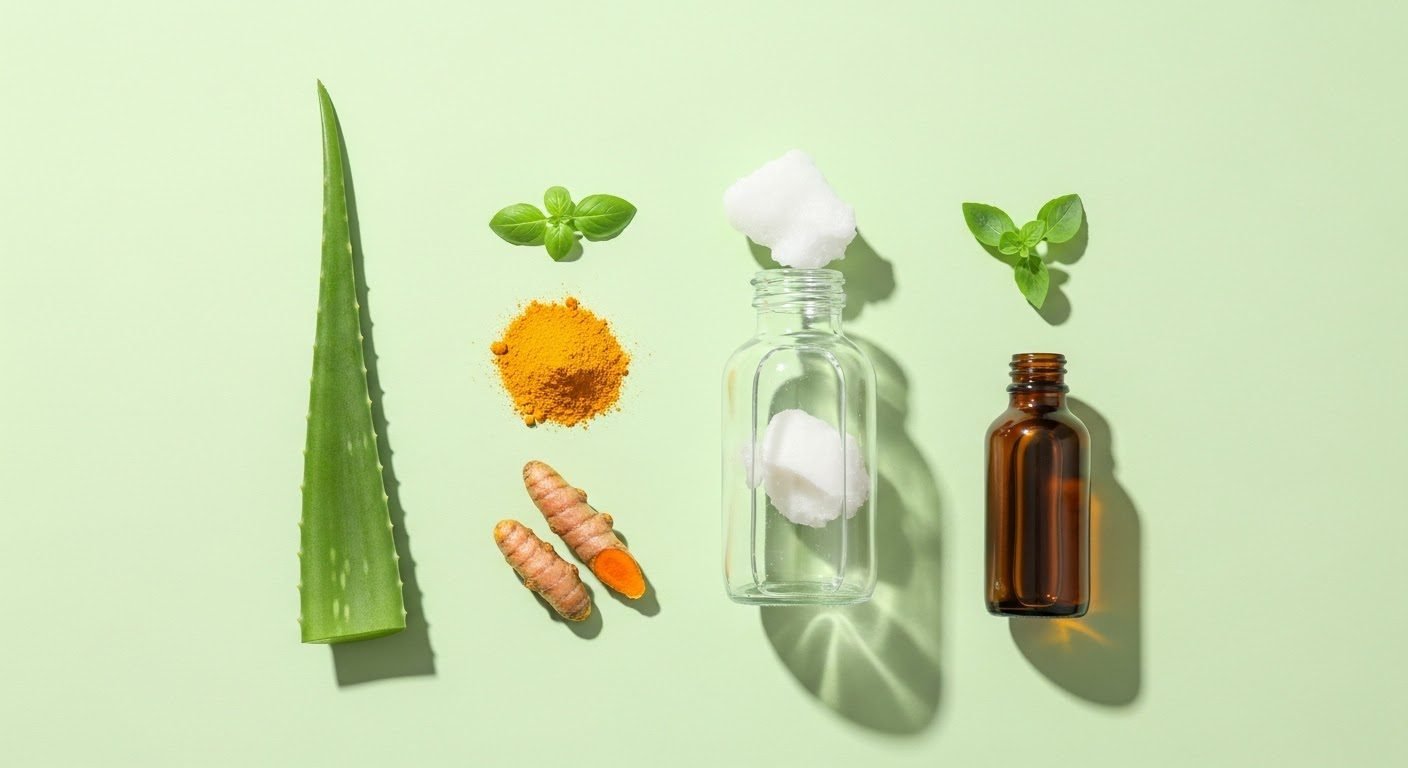
Gum infection and bleeding gums are more common than most people realize, and they can happen silently for months before noticeable pain appears. Whether the issue starts from plaque buildup, poor oral hygiene, hormonal changes, or weakened immunity, one thing remains true: early care matters. Thankfully, several natural remedies for gum infection can soothe swelling, stop bleeding, and support gum healing right at home.
This article combines real experience, proven natural treatments, and simple daily habits that support gum healing. It also features a few gentle products the author has personally used and found effective, especially when inflammation flares up.
Understanding Gum Infection & Bleeding Gums
Gum infection typically begins when plaque hardens into tartar and irritates the gumline. Over time, this irritation can turn into swelling, redness, tenderness, and bleeding during brushing. In more advanced stages, gum infection can progress into gingivitis or periodontal disease.
Early care can reverse the problem completely. Natural remedies can help reduce inflammation, kill harmful bacteria, and strengthen gum tissue, but consistency is key. The combination of good hygiene and nature-based healing makes a noticeable difference within days.
Remedy 1: Warm Salt Water Rinse
A salt water rinse is one of the simplest yet most effective remedies. It’s a classic swollen gums remedy because salt naturally reduces inflammation, kills harmful bacteria, and tightens gum tissues.
Mix warm water with a small amount of high-quality salt and rinse gently for 30 seconds. When the author experienced gum bleeding from stress-related inflammation, daily warm salt water rinses cut the swelling significantly within three days.
For anyone wanting a consistent mineral-rich option, the author recommends Ancient Minerals Fine Pink Himalayan Salt on Amazon because of its purity and effectiveness during flare-ups.

Remedy 2: Herbal Mouth Rinse (Clove, Sage, or Peppermint)
Herbal rinses work wonders for sensitive and inflamed gums. A well-made herbal mouth rinse can kill bacteria, ease pain, reduce swelling, and freshen the breath naturally. Clove, sage, peppermint, and chamomile are especially powerful because they contain plant compounds that heal tissues and calm irritation.
The author prepares homemade herbal rinses by steeping fresh sage leaves in warm water, sometimes adding a drop of clove oil. The soothing effect is immediate — perfect after brushing or before bed.
For a ready-made option, TheraBreath Healthy Gums Oral Rinse on Amazon is a gentle formula the author has used during gum tenderness. It helps reduce bleeding and supports gum restoration without harsh chemicals.

Remedy 3: Oil Pulling for Deep Cleaning
Oil pulling is an Ayurvedic method involving swishing coconut or sesame oil to remove toxins and harmful bacteria from the mouth. Coconut oil contains lauric acid, a natural antibacterial that reduces plaque and soothes irritated gums.
The author started oil pulling years ago and still finds it the most effective morning habit for reducing inflammation fast. A simple practice of swishing one tablespoon of organic coconut oil for 10–15 minutes improves gum strength and reduces infection symptoms over time.
Within a week of consistent oil pulling, bleeding lessened, and gum sensitivity dropped noticeably.
Remedy 4: Aloe Vera Gel for Gum Healing
Aloe vera has strong anti-inflammatory and antibacterial properties, making it excellent for irritated gums. Applying a small amount of pure aloe gel to infected or swollen areas helps calm redness, reduce bleeding, and speed up healing.
The author likes applying aloe gel at night after brushing because the soothing effect lasts longer. Within a few applications, tenderness becomes minimal and swelling reduces. Aloe is especially useful when gums feel raw or irritated from flossing.
Remedy 5: Turmeric Paste for Infection Control
Turmeric contains curcumin, a powerful anti-inflammatory and antimicrobial compound. Making a simple turmeric paste with a little water and applying it to the gums can significantly reduce swelling and combat infection.
When the author experienced gum pain near a wisdom tooth area, turmeric paste provided warmth and relief within minutes. With repeated use, it helped bring down swelling and prevented worsening of the infection.
It’s messy but incredibly effective — sometimes giving quicker results than store-bought medicated gels.
Remedy 6: Tea Tree Oil (Highly Diluted)
Tea tree oil is one of the strongest natural antibacterial agents, but it must always be diluted before use. Adding a single drop to a cup of warm water for rinsing helps reduce bacteria that cause gum infection.
The author uses tea tree oil very sparingly, usually once every few days during flare-ups. It helps reduce bad breath associated with gum inflammation and strengthens gum tissue when used consistently.
Remedy 7: Vitamin C & Antioxidant Support
Gum infections often worsen when the body is low in vitamin C. Increasing intake of vitamin C-rich foods — strawberries, oranges, bell peppers, kiwi — boosts the body’s natural ability to heal gum tissue and fight infection.
The author noticed that including a daily vitamin C supplement helped improve gum firmness and reduce bleeding significantly within two weeks. Antioxidants support the body’s defenses and speed up healing from within.
Remedy 8: Improving Brushing Technique
Brushing too aggressively can tear delicate gum tissue, causing swelling and bleeding. Switching to a soft-bristle brush and using gentle circular motions is essential.
The author switched to a soft-bristled brush during gum inflammation and saw immediate improvement. Within a week, daily bleeding reduced noticeably, proving how much pressure matters.
Using a gentle, fluoride-free or sensitivity-friendly toothpaste also reduces irritation and supports gum healing.
Remedy 9: Clove Oil for Fast Pain Relief
Clove oil is one of the oldest remedies for tooth and gum pain. It contains eugenol, a natural anesthetic and antibacterial compound that reduces pain and infection.
Applying a tiny amount of diluted clove oil to swollen gums provides fast relief. The author uses it during painful flare-ups and finds that clove oil works quicker than most over-the-counter gels.
Remedy 10: Boosting Hydration & Avoiding Irritants
Dryness worsens gum infection because saliva is necessary for natural disinfection. Drinking enough water keeps the mouth balanced and prevents bacteria from spreading.
It’s equally important to avoid alcohol-based mouthwashes, smoking, sugary snacks, and acidic foods, all of which irritate gums and slow healing.
The author noticed that even switching from hot coffee to warm herbal tea during an infection week made the gums heal faster.
When to Seek Professional Help
Natural remedies are incredibly helpful, but severe gum infections sometimes need professional attention. Signs that require a dentist include ongoing bleeding after a week, pus, severe bad breath, loose teeth, or sharp pain.
The author always combines natural care with routine dental checkups to ensure no serious underlying conditions are present. Natural remedies work best when partnered with preventative dental care.
Final Thoughts
Healing gum infection and bleeding gums is absolutely possible with consistency and gentle, natural methods. Combining warm salt rinses, herbal mouth rinses, oil pulling, aloe vera gel, turmeric paste, and better brushing habits creates a powerful routine that restores gum health over time.
A few carefully chosen products like Ancient Minerals Himalayan Salt and TheraBreath Healthy Gums Oral Rinse offer extra support when inflammation peaks. Natural remedies work exceptionally well when used daily — nurturing gums, reducing swelling, fighting bacteria, and restoring comfort.
Healthy gums are the foundation of a healthy smile, and with the right care, relief can start today.