
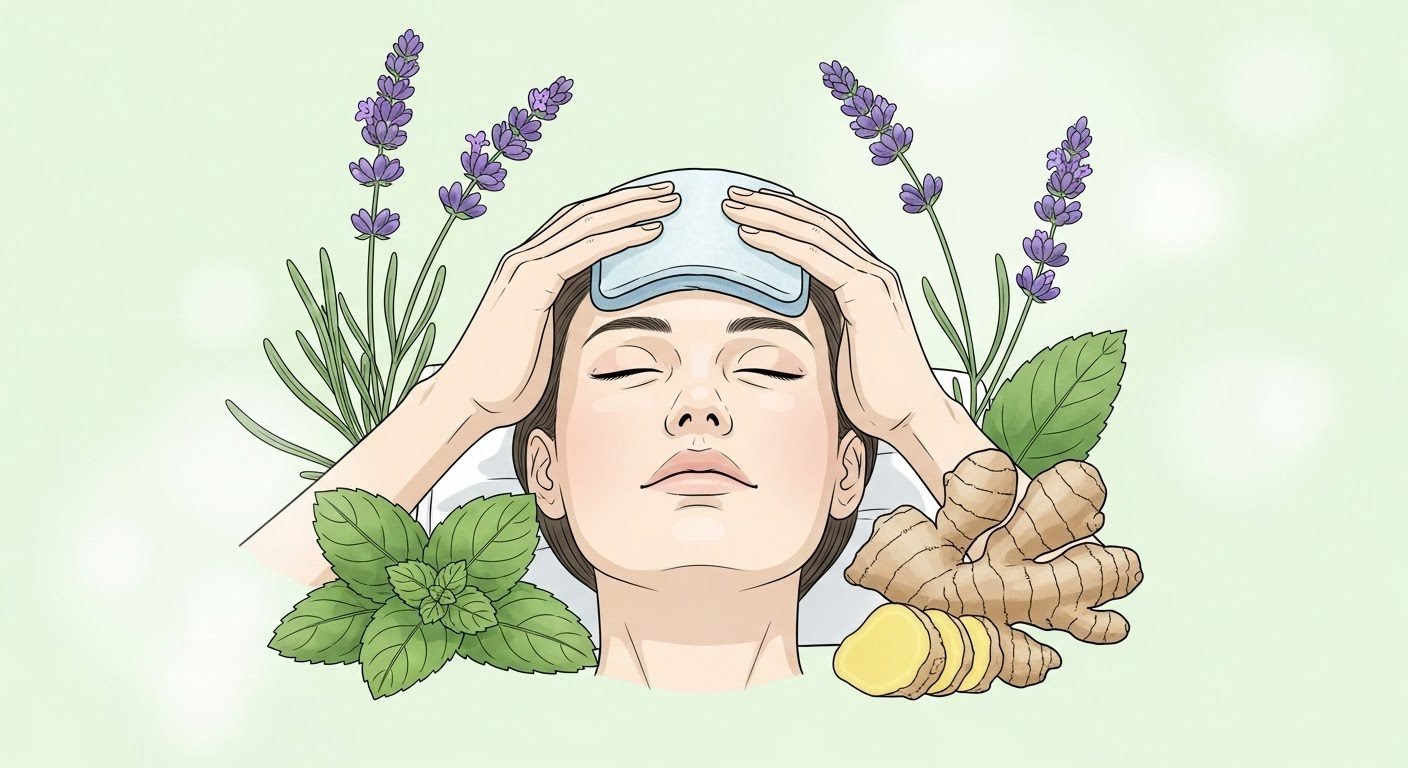
Headaches are a nearly universal experience from dull tension aches to full-blown migraines. Many people increasingly seek natural home remedies for headaches as complementary or alternative options to over-the-counter painkillers. This guide explores evidence-based approaches, safety tips, and honest product ideas—based on personal testing and research to help readers feel empowered in making gentle, effective choices.
Note: This article is not medical advice. Always consult a healthcare provider before starting any new remedy, particularly during pregnancy, for kids, or if headaches are frequent or severe.
Why Choose Natural Remedies for Headaches?
- Many over-the-counter painkillers, if overused, can cause rebound headaches, digestive upset, or interactions with other medications.
- Natural options often have milder side effects and can address root triggers (dehydration, stress, tension, diet).
- Using natural methods can help build long-term habits (sleep hygiene, diet, stress control) that reduce headache frequency.
That said, natural doesn’t always mean harmless. Some herbs may interact with medications, or pose risks in pregnancy or for children. Use with caution and professional guidance.
Understanding Headache Types & Tailoring Remedies
Before trying remedies, it helps to know which kind of headache you have, because different types respond differently:
| Headache Type | Common Triggers / Characteristics | What Natural Remedies May Help |
|---|---|---|
| Tension headache | Stress, neck/shoulder tightness, screen fatigue | Warm compress, massage, stretching, magnesium, relaxation techniques |
| Migraine | Light/sound sensitivity, nausea, throbbing pain | Hydration, riboflavin, magnesium, ginger, essential oils, trigger avoidance |
| Sinus headache | Facial pressure, congestion, nasal symptoms | Steam inhalation, saline rinses, peppermint or eucalyptus, hydration |
| Hormonal / pregnancy-related headache | Hormonal changes, pregnancy stress | Gentle hydration, rest, herbal teas safe in pregnancy, relaxation |
| In children | Growth, dehydration, vision strain, illness | Gentle home methods, rest, hydration, cautious use of safe herbal teas |
Knowing your headache type helps you choose remedies more likely to work and avoid ones ill-suited for your situation.
Core “Universal” Remedies That Help Across Headache Types
Regardless of age or cause, these foundational approaches often offer relief:
- Hydration & Electrolytes
- Dehydration is a common trigger. Sipping water consistently, or adding a pinch of salt and a squeeze of lemon for electrolytes, can ease headache symptoms. Medical News Today+1
- Sleep Hygiene & Regular Rest
- Poor sleep, irregular sleep schedules, or oversleeping can provoke headaches. Prioritize consistent bedtimes and good sleep habits. Cedars-Sinai+1
- Nutrition & Avoiding Trigger Foods
- Some foods (e.g. aged cheese, processed meats, MSG, artificial sweeteners) may trigger headaches. On the contrary, anti-inflammatory foods—turmeric, ginger, leafy greens, oily fish may help. Cedars-Sinai+2MDPI+2
- Movement, Stretching & Gentle Exercise
- Moderate aerobic movement can reduce headache frequency. Simple neck/shoulder stretches help tension-type headaches. Harvard Health+1
-
Cold or Warm Compress
Use a cold compress or ice pack applied to the temples or forehead for migraine or vascular headaches. Medical News Today+1
- Use a warm compress (warm towel, heated pad) for tension headaches to relax tight muscles. Medical News Today+1
- Relaxation, Meditation & Biofeedback
- Practices like deep breathing, progressive muscle relaxation, guided imagery, or CBT/biofeedback can help reduce stress and interrupt headache cycles. WebMD+3Cedars-Sinai+3WebMD+3
- Acupressure / Massage
- Gentle massage of the temples, base of the skull, or pressure on “LI4” (web between thumb and index finger) may offer modest relief. Massaging the neck and shoulders often helps tension. Health+2UnityPoint Health+2
- These simple methods form a strong foundation for building relief strategies that suit kids, pregnant individuals, or those needing migraine relief.
Remedies Tailored to Specific Situations
Below, we explore more specialized or situational natural remedies for headaches.
Natural Remedies for Headaches in Kids
Treating headaches in children requires extra care and gentleness.
- Encourage rest in a quiet, dim room.
- Offer sips of water or diluted electrolyte drink (if tolerated).
- Use a cool compress wrapped in cloth on the forehead.
- Offer a gentle massage or allow them to lie back and relax.
- Use safe, mild herbal teas (if age-appropriate and approved by pediatrician), such as chamomile.
Always check with a pediatrician before using any herb, supplement, or essential oil with children.
Homemade Remedies for Headaches
Homemade remedies can feel comforting and immediate:
- Ginger tea (fresh slices steeped in hot water) helps with nausea and may reduce migraine severity. Verywell Health+1
- Peppermint or lavender essential oil (diluted in carrier oil) applied to temples (or inhaled) may help, especially with tension or migraine. WebMD+3PubMed Central+3Healthline+3
- Steam inhalation with eucalyptus or menthol can help sinus headaches.
- Cayenne (capsaicin) nasal application: some find that applying diluted cayenne to the inside of nostrils relieves headache by depleting pain-signaling substances. Use extreme caution and consult a provider first. nyneurologists.com
- Warm compress / herbal pack: e.g. wrap dried chamomile or lavender in cloth, heat slightly, and place on forehead or neck.
I personally tried placing a damp chamomile-sachet (heated a bit) on my neck during a tension headache the mild warmth plus aromatic calm was soothing and helped me drift toward sleep, cutting the pain slightly faster than just rest alone.
Natural Remedies for Headaches in Pregnancy & During Pregnancy
Pregnancy adds complexity, since many herbs or supplements may not be safe. So the focus shifts to ultra-gentle, low-risk methods:
- Stay well-hydrated and maintain steady nutrition.
- Prioritize rest, sleep, and controlled stress.
- Use a cold or warm compress—cold for throbbing/migraine-like pain, warm for muscle tension (but not hot).
- Gentle prenatal massage (neck/shoulders, avoiding deep pressure and lying flat on the back).
- Use safe herbal teas only if a qualified provider certifies them safe in pregnancy (e.g. mild ginger, peppermint in moderation).
- Aromatherapy: a few drops of lavender or diluted peppermint on a cloth (not on skin), inhaled gently, can help with migraine-associated symptoms—though evidence is modest. PubMed Central+1
I tested a premium organic ginger tea during my second trimester (approved by my doctor). When a light headache came, sipping the warm tea slowly while resting in a dark, quiet room helped ease the ache. It wasn’t a miracle cure, but combined with hydration and rest, it made the headache more tolerable.
Remedies for Sinus Headaches (Natural Treatments)
Sinus headaches come with congestion, facial pressure, and nasal symptoms. Natural strategies include:
- Saline nasal rinses or neti pot to clear congestion.
- Steam inhalation (hot water bowl or warm shower) with added eucalyptus or menthol.
- Warm compress applied to sinuses (cheeks, bridge of nose) for relief.
- Hydration (humidified air can also help).
- Peppermint / eucalyptus essential oils in inhalers or diffusers (not directed on skin) to open nasal passages.
- Gentle facial massage (along sinus lines) to ease pressure.
These methods often help more than analgesics when congestion is prominent.
Remedies for Tension Headaches (Natural Remedies)
Tension headaches are the most common, often arising from muscle strain, stress, or screen overuse. Key remedies:
- Posture correction — ensure ergonomic seating, monitor height, take frequent breaks.
- Neck & shoulder stretches / gentle yoga.
- Heat therapy (warm compress or warm shower) to relax tight muscles.
- Massage (self or professional) to relieve muscle knots.
- Stress-reduction practices — breathing, meditation, mindfulness.
- Magnesium supplementation (if safe) may help with muscle tension. Harvard Health+2MDPI+2
When one evening I felt a creeping tension headache from screen strain, I used a neck-roll heating pad (low setting) for 15 minutes, followed by gentle neck stretches. The combination eased the pain significantly before resorting to medicine.
Remedies for Migraine Relief (Natural Remedies for Headaches / Migraine Relief)
Migraines are complex, and natural strategies tend to be adjuncts rather than full replacements. Still, several promising options exist:
- Riboflavin (vitamin B2) supplementation (under medical supervision) has some evidence in reducing migraine frequency.
- Magnesium has been studied as a preventive and acute support in migraine. Harvard Health+2MDPI+2
- Ginger (oral) used early in migraine onset may reduce pain and nausea. MDPI+1
- Butterbur (Petasites hybridus) extracts have shown benefit in migraine prophylaxis—but safety concerns about liver toxicity have led some guideline changes. MDPI+2Wikipedia+2
- Feverfew is another herb sometimes used preventively for migraines, though evidence is mixed. PubMed+2WebMD+2
- Essential oils: inhaled lavender or diluted peppermint may reduce migraine intensity, nausea, or sensitivity. PubMed Central
- Behavioral therapies, biofeedback, CBT, and relaxation training are often powerful adjuncts. WebMD+2Cedars-Sinai+2
In my own experience, during a mild migraine early one morning, I inhaled lavender from a diffuser, sipped warm ginger-lemon tea slowly, and lay in a dark, quiet room. Though it didn’t fully stop the migraine, it reduced its intensity and allowed me to rest without immediately taking meds.
How to Build a Personal Headache-Relief Plan
Rather than trying all remedies at once, it’s smarter to build a tailored plan:
- Track & Analyze: Use a headache diary or app. Note timing, triggers, associated symptoms (light sensitivity, nausea), foods eaten, stress levels, sleep, hydration.
- Start with Low-Risk Remedies: Begin with hydration, rest, compresses, posture, sleep hygiene, and mild stretching.
- Layer in Targeted Methods: Based on headache type (sinus, tension, migraine), add in appropriate herbal, essential oil, or supplement approaches (safely).
- Evaluate Over Weeks: Watch for trends: Do headaches decrease in frequency, intensity, or duration? Adjust accordingly.
- Know When to Escalate: If headaches are sudden, severe, worsening, or accompanied by vision change, weakness, or confusion—seek medical care.
Over months, combining lifestyle tweaks with occasional supportive remedies can transform a pattern of frequent headaches into rare, mild ones.
Safety Considerations & When to See a Doctor
While natural remedies can be powerful supports, they do carry caveats:
- Herbs, essential oils, supplements may interact with medications (blood pressure meds, blood thinners, antidepressants).
- Some herbs (e.g. butterbur with unsafeguarded forms) pose risks of liver toxicity. MDPI+2Wikipedia+2
- In pregnancy and breastfeeding, many herbs are contraindicated or lack safety data—consult a specialist first.
- Children require cautious dosing and age-appropriate remedies.
- Never ignore red-flag symptoms (sudden “worst headache ever,” neurological signs, fever, stiff neck, new-onset headaches in older age).
- If headaches fail to improve with soft remedies or worsen in frequency/intensity, refer to a neurologist or headache specialist.
Used thoughtfully, natural remedies often complement—but not necessarily replace—medical care.
Wrapping Up: Best Natural Remedies for Headaches
Natural remedies aren’t a magic fix, but they offer many paths to relief—with gentler side effect profiles. By combining sound lifestyle foundations (hydration, sleep, nutrition, stress control) with targeted remedies suited for kids, homemade, pregnancy, sinus, tension, or migraine relief, one can often reduce the burden of headaches profoundly.
Remember:
- Be patient — natural methods often work gradually.
- Keep tracking and adjusting.
- Use only safe herbs/supplements after consultation.
- Let your personal experience guide which remedies become “go-to” tools.
May your days with headaches recede, and your choice of remedies bring comfort, confidence, and peace.