
Hair fall can feel frustrating and even a little scary. For many people, seeing strands collect on their brush or pillow can affect not just confidence but also everyday mood. While occasional hair shedding is completely normal, excessive hair fall can signal that your scalp and strands need extra care.
The good news? There are natural remedies for hair fall that can gently support stronger, healthier hair without harsh chemicals. Over the years, countless people have turned to home-based natural treatments for healthier hair — and many have shared their real results.
This article brings together trusted natural remedies, tested experiences, and a few carefully chosen Amazon product recommendations to make your self-care routine easier and more effective.
⚠️ Note: This article is not medical advice. If hair loss is sudden, severe, or related to an underlying condition, consulting a qualified healthcare provider or dermatologist is important. These remedies are supportive and not a substitute for medical treatment.
🍃 1. Nourishing the Scalp: The Root of Healthy Hair
Healthy hair starts with a healthy scalp. Often, hair fall isn’t just about the strands themselves — it’s about what’s happening at the roots. A clean, nourished scalp creates the best foundation for strong hair growth.
Gentle scalp massages with natural oils have been a trusted home remedy for generations. Massaging helps stimulate blood circulation, relax the scalp muscles, and distribute natural oils that keep hair nourished.
Popular natural oils for hair fall include:
- Coconut oil — deeply moisturizing, helps strengthen hair
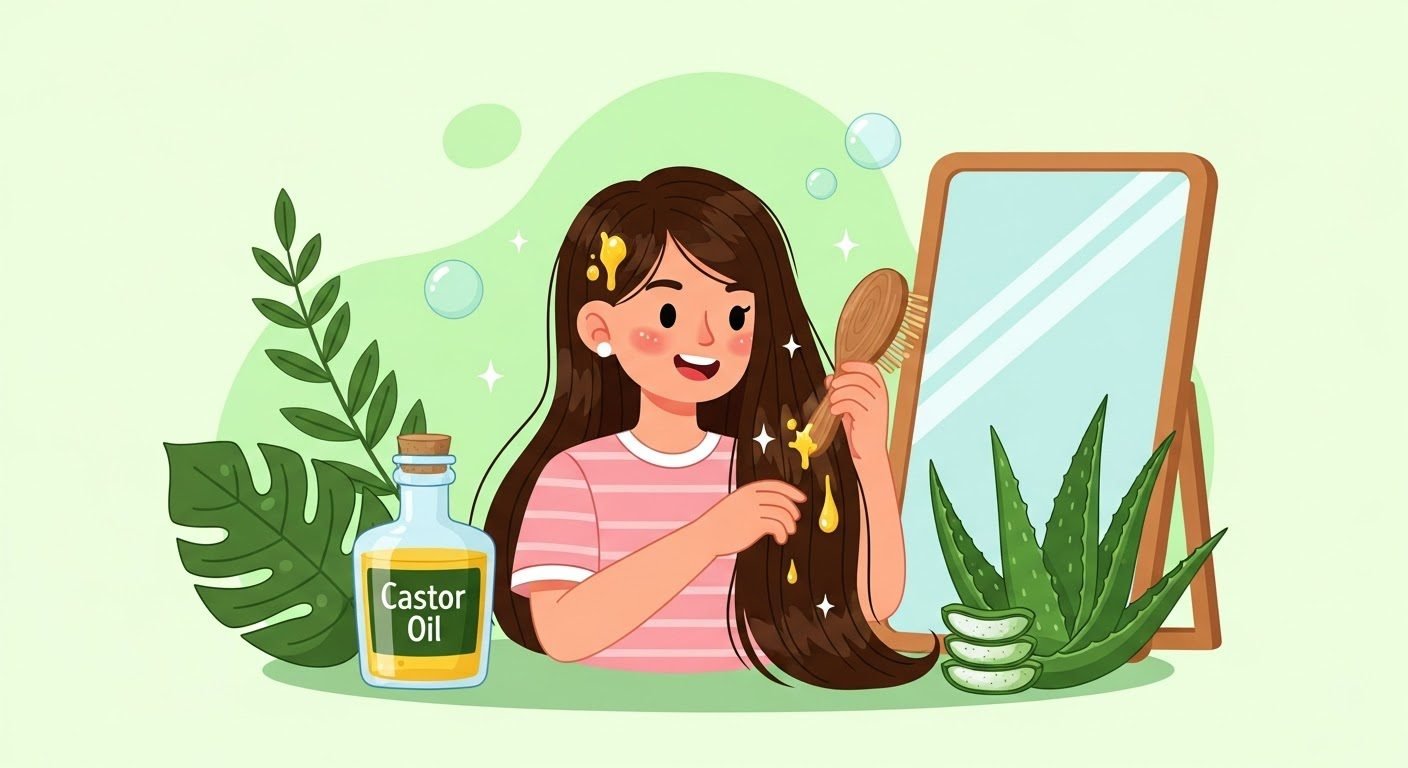
- Castor oil — rich in ricinoleic acid, often used to support thicker hair
- Rosemary oil — loved for its scalp-stimulating properties
- Jojoba oil — lightweight and nourishing without being greasy
Many people find that warming the oil slightly before applying makes the massage feel more soothing and helps it absorb better. Applying it gently with the fingertips (not nails!) for 5–10 minutes can create a mini spa moment at home.
👉 A highly trusted option for many hair care enthusiasts is the Kate Blanc Certified Organic Castor Oil. Reviewers often mention seeing stronger, shinier hair over time with consistent use.

✨ Real experience note: Regular oil massages a few times a week — especially before bedtime or a gentle hair wash — can reduce breakage and make hair feel more resilient.
🌿 2. Aloe Vera: Nature’s Gentle Healer
Aloe vera has been loved for centuries for its cooling, soothing, and nourishing properties. For hair, aloe vera works like a gentle conditioner — calming the scalp, hydrating the roots, and helping with flakiness that can worsen hair fall.
Applying fresh aloe vera gel directly to the scalp and hair can:
- Balance scalp moisture levels
- Calm itching or irritation
- Add softness and shine to the strands
- Create a healthy environment for hair to thrive
For those who prefer convenience, high-quality store-bought aloe vera gels can work just as well as fresh plant gel. Look for gels that are 100% pure or organic, with no harsh alcohols or added fragrances.
🪴 Personal insight: Many people say applying aloe vera gel once or twice a week and leaving it for 30 minutes before rinsing gives their hair a refreshing boost.
🧄 3. Herbal Rinses & DIY Natural Treatments
Long before commercial shampoos and conditioners, herbal hair rinses were used in many cultures to support hair growth and reduce fall. Some of the most popular natural ingredients include:
- Rosemary leaves — believed to stimulate follicles
- Fenugreek seeds (methi) — rich in protein, traditionally used for hair strength
- Onion juice — supports scalp circulation (though it has a strong smell!)
- Hibiscus flowers — help nourish hair and support shine
A simple way to use these is to boil the herbs in water, let them cool, and use the strained liquid as a final rinse after shampooing. This natural tonic can help invigorate the scalp without any chemicals.
🌿 Pro tip: Consistency matters. Herbal rinses often work best over several weeks, not overnight. Regular use can help strengthen roots and reduce excess shedding over time.
🪴 4. Gentle Shampooing & Avoiding Harsh Chemicals
One of the often-overlooked causes of hair fall is harsh hair care routines. Over-washing, rough towel drying, or using shampoos with sulfates can strip natural oils, making hair dry, brittle, and more prone to falling out.
Switching to gentle, sulfate-free shampoos and washing with lukewarm water can make a noticeable difference. Using natural ingredients or mild herbal-based shampoos supports scalp health without over-stripping it.
👉 A well-loved option among natural hair care fans is the PURA D’OR Original Gold Label Anti-Thinning Biotin Shampoo. Many reviewers praise it for its gentle formula enriched with natural extracts, making it a favorite for reducing breakage and supporting fuller hair over time.

💧 Helpful insight: It’s not about washing hair daily, but washing it right — using gentle motions, avoiding super-hot water, and not tugging at wet hair.
🧠 5. Balanced Nutrition for Stronger Hair
Even the best topical remedies can only go so far without the right internal support. Hair is made up of a protein called keratin, and it thrives when the body is nourished with the right nutrients.
Important nutrients that support healthy hair include:
- Protein (from eggs, lentils, fish, beans, or tofu)
- Iron (from leafy greens, lentils, or supplements if prescribed)
- Zinc and Vitamin D (support scalp and follicle health)
- Omega-3 fatty acids (from flaxseeds, walnuts, or fish oil)
- Biotin (a B vitamin often linked to hair health)
Many people notice reduced hair fall once they balance their diet with nutrient-dense meals and stay well-hydrated.
🥦 Personal insight: Even simple changes like adding soaked almonds or flaxseeds to breakfast can support hair over time.
🧘 6. Stress Management & Lifestyle Factors
Hair fall isn’t always just about hair. Stress plays a big role, often triggering shedding and slowing regrowth. When the body is under prolonged stress, hair can shift from the growth phase to the shedding phase — something called telogen effluvium.
Gentle ways to reduce stress naturally include:
- Deep breathing or meditation
- Gentle yoga or daily walks
- Adequate sleep
- Spending time outdoors in natural light
- Reducing excessive heat styling or tight hairstyles
Even small lifestyle shifts can make a noticeable difference over time. Many people report that once they start caring for their overall well-being, their hair begins to feel stronger too.
💆 7. Weekly Hair Masks for Deep Nourishment
Natural hair masks are an easy, affordable way to give hair an intensive moisture boost. Weekly masking can help reduce breakage, smooth the cuticle, and make hair more resilient against fall.
Some favorite DIY hair mask ingredients include:
- Yogurt + honey for softness and shine
- Coconut oil + aloe vera gel for hydration
- Egg + olive oil for protein nourishment
- Banana + castor oil for strength
Applying the mask from roots to tips, leaving it on for about 20–30 minutes, and rinsing with lukewarm water can create visible results over time.
✨ Real experience tip: Many find that masking once a week for a few months gives their hair a healthier, shinier appearance and reduces the amount of hair fall seen in the shower.
8. Smart Hair Handling: Gentle Is Key
Even the best natural remedies won’t work if hair is handled harshly every day. Fragile strands can easily break when they’re wet, tugged, or tightly tied.
To reduce unnecessary shedding and breakage:
- Use a wide-tooth comb to detangle gently, starting from the ends and moving up
- Avoid brushing wet hair — instead, pat dry with a soft towel
- Let hair air-dry whenever possible
- Avoid tight ponytails, buns, or styles that pull on the scalp
- Sleep on silk or satin pillowcases to minimize friction
These small steps can have a big impact over time, especially for those dealing with long-term hair fall.
🫧 9. Herbal & Essential Oils — A Natural Boost
Essential oils like rosemary, peppermint, and lavender have become popular for supporting scalp circulation and hair health. Just a few drops mixed with a carrier oil (like coconut or jojoba) can make a scalp massage even more beneficial.
Rosemary oil, in particular, has gained attention for its potential to support hair growth naturally. Many people incorporate it into their weekly oiling routine for added benefits.
🌿 Tip: Always dilute essential oils properly to avoid scalp irritation.
💡 10. Consistency Over Quick Fixes
One of the most important truths about natural remedies for hair fall is that they’re not instant miracles. Unlike chemical treatments that promise overnight results, natural remedies work gradually and gently, supporting the hair’s natural cycle.
The key is patience and consistency — nourishing the scalp, treating hair kindly, eating well, and managing stress. Over time, these habits often lead to stronger, shinier hair and reduced shedding.
🪴 Encouraging reminder: Every head of hair is unique. What works best may vary from person to person, but nurturing your scalp and hair with care is always a good investment.
🪞 Final Thoughts: Let Nature Support Your Hair
Hair fall can be challenging, but it’s also an opportunity to slow down, care for yourself, and choose gentle, nurturing routines. From scalp massages with nourishing oils to herbal rinses, natural masks, and mindful handling, there are many ways to support your hair without harsh chemicals.
The product recommendations shared above — like organic castor oil and a gentle, sulfate-free shampoo — are trusted by many people worldwide because they work well with natural hair care habits rather than against them.
🌿 Disclaimer: This content is for informational and wellness purposes only, not a substitute for medical advice. If hair loss is persistent or severe, consult a qualified professional.